
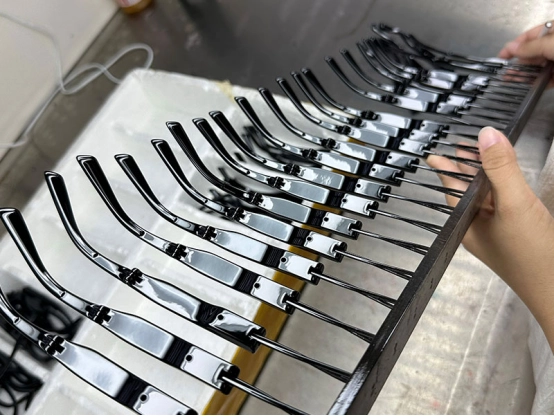
La scelta di un fornitore di occhiali si basa spesso su campioni, prezzo e tempi di consegna. Il che è comprensibile. Una montatura può apparire perfetta in un campione esposto in negozio, ma presentare comunque problemi durante la produzione in serie.
Un acquirente potrebbe ricevere migliaia di pezzi con cerniere allentate, rivestimento non uniforme, colori delle lenti errati o errori di imballaggio. Questi problemi raramente si presentano contemporaneamente. Solitamente derivano da controlli mancanti in diverse fasi della produzione.
Un produttore di occhiali affidabile necessita di un sistema di qualità che inizi prima della produzione e prosegua fino alla spedizione. La domanda fondamentale non è solo "Avete un controllo qualità?". Quasi tutte le fabbriche rispondono di sì. Le domande più importanti sono: cosa ispezionate, quando lo fate e quali registrazioni potete fornire?
Un processo professionale di controllo qualità per gli occhiali normalmente prevede diversi punti di verifica:
Controllo dei materiali in entrata → controllo della produzione → controllo del prodotto finito → test delle prestazioni → approvazione della spedizione
Ogni fase ha uno scopo diverso.
Il controllo in entrata impedisce che materiali non idonei entrino in produzione. Il controllo in corso di produzione permette di individuare e risolvere eventuali problemi durante la fabbricazione dei telai. Il controllo qualità finale verifica che i prodotti finiti corrispondano ai campioni e alle specifiche approvati.
Un errore comune tra gli acquirenti è quello di concentrarsi solo sull'ispezione finale. A quel punto, un problema di produzione potrebbe già aver interessato migliaia di pezzi. Risolverlo diventa quindi più lento e costoso.
Un buon fornitore dovrebbe essere in grado di spiegare chiaramente l'intero flusso di controllo qualità, e non limitarsi a dichiarare che "la nostra qualità è garantita".
Prima che un telaio entri nella linea di produzione, è necessario controllare i materiali che lo compongono.
La produzione di occhiali coinvolge numerosi componenti. Materiali della montatura, lenti, cerniere, viti, naselli, rivestimenti, elementi con logo e materiali di imballaggio influiscono tutti sul prodotto finale.
Un piccolo problema relativo ai materiali può trasformarsi in un grosso problema di produzione. Ad esempio, una leggera differenza di colore dell'acetato può sembrare accettabile su una singola montatura, ma diventare evidente quando un acquirente confronta centinaia di pezzi.
Il controllo in entrata si concentra solitamente su:
I problemi tipici riscontrati in questa fase includono graffi, colori non corretti, componenti danneggiati o materiali che non corrispondono al campione approvato.
La fabbrica dovrebbe adottare una procedura per separare i materiali di scarto anziché consentirne l'immissione nel ciclo produttivo.

Prima di iniziare un ordine, gli acquirenti possono chiedere:
Un fornitore che prende sul serio il controllo qualità in entrata solitamente ha meno sorprese in fase di produzione.
SUSON ispeziona i materiali in entrata prima della produzione, prestando particolare attenzione a componenti quali lenti e parti metalliche; anche gli imballaggi personalizzati vengono ispezionati. Per Progetti OEM e ODMQuesto passaggio è ancora più importante perché i materiali e gli imballaggi personalizzati spesso creano più variabili rispetto ai prodotti standard.
Una volta avviata la produzione, il controllo qualità si sposta dai materiali ai processi produttivi.
La produzione di occhiali comprende numerose piccole operazioni. La sagomatura della montatura, l'assemblaggio delle aste, l'installazione delle cerniere, la verniciatura, la placcatura, il montaggio delle lenti e l'applicazione del logo richiedono tutte attenzione.
Un difetto in questa fase è più facile da correggere rispetto a un difetto scoperto dopo l'imballaggio.
I punti di controllo più importanti includono:
Un problema di produzione comune negli occhiali non è un difetto grave, bensì un insieme di piccole imperfezioni. Una montatura potrebbe chiudersi in modo leggermente irregolare. Un logo potrebbe essere posizionato un po' troppo in alto. Una cerniera potrebbe avere una sensazione diversa da un esemplare all'altro.
Questi dettagli vengono notati dai clienti finali.
Gli acquirenti dovrebbero chiedere:
SUSON integra i controlli di qualità in diverse aree di produzione, tra cui la fabbricazione delle montature, le aste, la verniciatura, le cerniere, i loghi e l'assemblaggio. Un sistema di controllo qualità in fabbrica come questo aiuta a identificare i problemi più vicino alla fonte.
L'ispezione finale rappresenta l'ultima opportunità per confermare che i prodotti corrispondano ai requisiti concordati prima della spedizione.
Non si tratta di una semplice verifica visiva. Un processo di controllo qualità finale completo dovrebbe includere misurazioni, verifiche estetiche e ispezioni funzionali.
Le dimensioni degli occhiali devono rientrare nelle specifiche approvate.
Le misurazioni più comuni includono:
Per occhiali personalizzatiQuesti dettagli sono particolarmente importanti perché i marchi spesso sviluppano prodotti basandosi su requisiti di vestibilità specifici. Una differenza di pochi millimetri può non sembrare grave durante la produzione, ma può influire sul comfort e sulle recensioni dei clienti.
L'ispezione dell'aspetto di solito comprende:
Le condizioni di ispezione controllate sono importanti perché alcuni difetti sono difficili da individuare con la normale illuminazione di fabbrica.
Di SUSON procedure di controllo qualità Sono inclusi la verifica dimensionale e l'ispezione visiva della superficie in condizioni di ispezione controllate. Prima della spedizione, gli acquirenti dovrebbero chiedere al fornitore se è in grado di fornire rapporti di ispezione finali, foto o video dei prodotti completati.

L'apparenza da sola non racconta tutta la storia. A seconda del tipo di prodotto e del mercato di riferimento, i fornitori possono effettuare ulteriori test.
Tra gli esempi più comuni si annoverano:
I test di SUSON includono prove di resistenza alla fatica delle cerniere e al sudore, e fanno riferimento a standard per montature da occhiali come ISO 12870; è inoltre possibile organizzare test indipendenti in base alle esigenze del cliente. I fornitori di occhiali con esperienza dovrebbero essere in grado di discutere le opzioni di test anziché trattare ogni ordine allo stesso modo.
Le affermazioni sulla qualità sono più credibili quando sono supportate da prove. Un acquirente non ha bisogno di una mole enorme di documenti, ma disporre di diverse registrazioni è prezioso per valutare un fornitore.
Tra i documenti e le informazioni utili si annoverano:
Per ordini di grandi dimensioni, gli acquirenti potrebbero anche chiedere al fornitore come gestisce i livelli di difettosità e gli standard di ispezione. Una chiara documentazione del processo di controllo qualità dimostra che la qualità viene controllata in modo sistematico, anziché dipendere unicamente dai singoli lavoratori.
Prima di effettuare un ordine presso un produttore di occhiali, verificate i seguenti punti:
I migliori fornitori di solito non hanno problemi a rispondere a queste domande. Capiscono che gli acquirenti professionali hanno bisogno di visibilità sul processo.
ManciaIl controllo qualità viene eseguito manualmente, poiché raggiungere una perfezione al 100% è difficile.
SUSON si concentra sull'intero processo produttivo, dal controllo dei materiali all'approvazione del prodotto finito. La sua produzione di occhiali comprende occhiali da sole, montature da vista e progetti personalizzati OEM/ODM.
Lo stabilimento effettua controlli in entrata, verifiche durante le fasi di produzione e valutazioni del prodotto finito. Il controllo qualità è garantito da personale dedicato che opera in diverse aree produttive.
Stai pianificando un progetto di occhiali a marchio privato o OEM/ODM?
Contatta SUSON Prima di iniziare il campionamento, è opportuno discutere le specifiche del prodotto, il mercato di riferimento, i requisiti di collaudo e le aspettative in materia di controllo qualità.
Verificate la capacità produttiva del fornitore, il processo di controllo dei materiali, i metodi di ispezione, le opzioni di collaudo e la capacità di fornire la documentazione relativa al controllo qualità. Un fornitore dovrebbe spiegare come viene gestita la qualità durante l'intero processo produttivo.
L'ispezione finale di solito include misurazioni, allineamento della montatura, aspetto della superficie, cerniere, lenti, loghi, imballaggio e confronto con campioni approvati.
L'ispezione da parte di terzi può essere utile per ordini di grandi dimensioni, nuovi fornitori o prodotti con requisiti di qualità rigorosi. Fornisce un ulteriore passaggio di verifica prima della spedizione.