

A sunglasses sample is an engineering checkpoint, not simply a smaller production order. Each stage should remove a different risk before tooling, materials, packaging, and production capacity are committed.
For eyewear brands and importers, the key distinction is between a prototype, a pre-production—or PP—sample, and mass production units. Confusing these stages can lead to poor fit, color variation, weak hinges, misplaced logos, or a bulk order that does not match the design.
Sampling converts design assumptions into measurable results. A drawing can specify lens width, bridge width, temple length, lens curvature, material, and finish, but it cannot fully show how the frame will feel on the face or how its components will work together.
A controlled process allows the buyer and the OEM sunglasses manufacturer to check feasibility, fit, balance, appearance, and branding before scaling. It also creates a common approval reference. Without one, comments such as “make the color darker” may be interpreted differently by design, production, and QC teams.
| Stage | Main Purpose | Typical Condition | Main Approval Points |
| Prototype | Prove the concept and identify design problems | May use temporary tooling, substitute materials, or manual processes | Shape, dimensions, structure, fit, and feasibility |
| PP Sample | Confirm the production ready specification | Should use final or documented materials, components, colors, and processes | Construction, finish, lenses, logo, packaging, and workmanship |
| Mass Production | Reproduce the approved specification at order quantity | Uses controlled materials, tooling, work instructions, and inspections | Batch consistency and compliance with the approved reference |
A prototype is a development tool. It may be made by 3D printing, CNC machining, hand finishing, temporary molds, or combined processes. The goal is to expose problems while changes are still relatively inexpensive.
A prototype can reveal hinge interference, an impractical lens groove, or a temple that becomes too thin after polishing.
Substitute components are common before final tooling is complete. A prototype may not represent the final color, polishing level, plating, printed logo, hinge torque, lens coating, or packaging.
SUSON’s OEM/ODM workflow places design confirmation and detailed specification review before mold development and sampling, helping keep these open items visible.
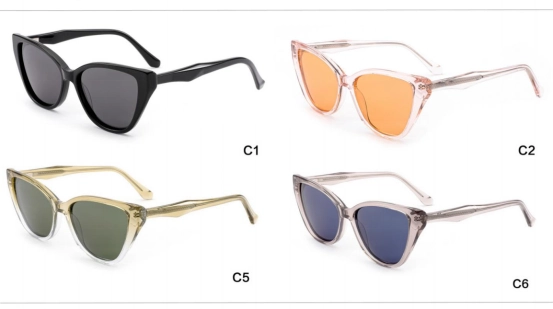
A PP sample is the final major physical confirmation before bulk production. It should follow the approved bill of materials and production route: frame material, hinges, screws, lenses, coatings, logo method, finish, dimensions, markings, and packaging. The buyer needs to know which characteristics are locked and which still carry risk.
After PP approval, the manufacturer can freeze the specification, release materials, issue work instructions, and schedule production. The approved unit normally becomes the “golden sample” used for visual and dimensional comparison.
Approval comments should be consolidated into one revision controlled document. Photos should be supported by dimensions, color references, logo artwork, packaging files, and acceptance criteria.
Mass production introduces variation that may not appear in one sample. Material batches, machine settings, polishing pressure, paint thickness, assembly force, and operator handling can affect the result.
The sunglasses factory must control the process, not only copy one pair. Incoming materials should be checked, critical dimensions measured, and inspections performed during finishing, lens fitting, logo application, and assembly. SUSON reports incoming material inspection, inspectors across production groups, dimensional checks, and surface inspection for scratches, burrs, bubbles, and coating irregularities.
Use one specification sheet, one revision number, and one clear approval status. When changes are made, the previous version should be marked as obsolete so that purchasing, production, packaging, and quality teams do not follow different instructions.
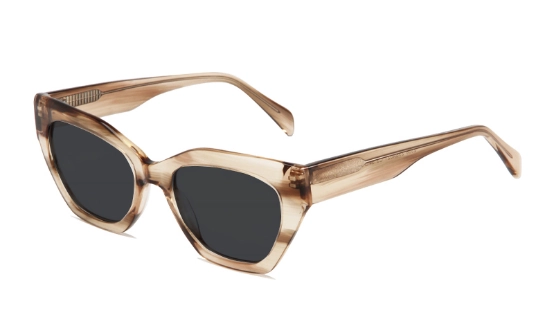
For products intended for a regulated market, confirm the required testing standard and whether the tested sample uses the same materials, lenses, coatings, and construction as the production order. A test report has limited value when the tested configuration differs from the final product.
SUSON supports OEM and ODM projects from design and specification confirmation through mold development, sampling, production, QC, packaging, and shipping. Customization options include size, color, material, style, process, logo, and packaging. The company also describes workshop based QC monitoring and final inspection before packing.
Brands can send a drawing, technical file, reference sample, or product specification to define the right sampling route. The objective is not to produce more samples than necessary, but to use the correct sample at each decision point.
A well prepared inquiry should include the target market, expected material, frame dimensions, lens requirements, logo artwork, packaging concept, estimated order quantity, and required delivery date. Clear inputs allow engineering and production teams to identify risks before sampling begins.
A prototype validates the design. A PP sample freezes the production specification. Mass production proves that the specification can be repeated at scale.
When these stages are separated, sampling becomes a controlled engineering process rather than a subjective approval exercise, reducing the risk of costly corrections after production begins.
Send SUSON your design drawing, reference sample or product specifications to discuss the most suitable sampling route for your sunglasses project.
A prototype tests the design, dimensions and feasibility of a new sunglasses concept. A PP sample is produced later and represents the final materials, colors, components and workmanship approved for mass production.
It may be technically possible for simple repeat orders or urgent projects, but it increases risk. New designs and heavily customized sunglasses should normally have a clearly approved production reference before bulk manufacturing.
Check frame dimensions, fit, alignment, lens specifications, material, color, surface finish, hinges, logo placement, packaging and required markings. Record all comments in one approval document.