

Sampel kacamata hitam merupakan titik pemeriksaan teknis, bukan sekadar pesanan produksi dalam skala kecil. Setiap tahap harus menghilangkan risiko yang berbeda sebelum peralatan, material, kemasan, dan kapasitas produksi dialokasikan.
Bagi merek dan importir kacamata, perbedaan utamanya adalah antara prototipe, sampel pra-produksi—atau PP—dan unit produksi massal. Kekeliruan dalam membedakan tahapan ini dapat menyebabkan kualitas yang buruk, variasi warna, engsel yang lemah, logo yang salah tempat, atau pesanan massal yang tidak sesuai dengan desain.
Pengambilan sampel mengubah asumsi desain menjadi hasil yang terukur. Sebuah gambar dapat menentukan lebar lensa, lebar jembatan, panjang tangkai, kelengkungan lensa, bahan, dan finishing, tetapi tidak dapat sepenuhnya menunjukkan bagaimana bingkai tersebut akan terasa di wajah atau bagaimana komponen-komponennya akan bekerja bersama.
Proses yang terkontrol memungkinkan pembeli dan Produsen kacamata hitam OEM untuk memeriksa kelayakan, kesesuaian, keseimbangan, penampilan, dan branding sebelum melakukan penskalaan. Ini juga menciptakan referensi persetujuan bersama. Tanpa itu, komentar seperti "buat warnanya lebih gelap" mungkin diinterpretasikan secara berbeda oleh tim desain, produksi, dan QC.
| Panggung | Tujuan Utama | Kondisi Khas | Poin-Poin Persetujuan Utama |
| Prototipe | Buktikan konsepnya dan identifikasi masalah desainnya. | Dapat menggunakan peralatan sementara, bahan pengganti, atau proses manual. | Bentuk, dimensi, struktur, kesesuaian, dan kelayakan |
| Sampel PP | Konfirmasikan spesifikasi siap produksi. | Harus menggunakan bahan, komponen, warna, dan proses yang sudah final atau terdokumentasi. | Konstruksi, finishing, lensa, logo, kemasan, dan pengerjaan |
| Produksi Massal | Reproduksi spesifikasi yang disetujui pada jumlah pesanan. | Menggunakan bahan, peralatan, instruksi kerja, dan inspeksi yang terkontrol. | Konsistensi antar batch dan kepatuhan terhadap referensi yang disetujui. |
Prototipe adalah alat pengembangan. Prototipe dapat dibuat dengan pencetakan 3D, permesinan CNC, penyelesaian akhir secara manual, cetakan sementara, atau proses gabungan. Tujuannya adalah untuk mengungkap masalah selagi perubahan masih relatif murah.
Prototipe dapat mengungkap gangguan engsel, alur lensa yang tidak praktis, atau tangkai kacamata yang menjadi terlalu tipis setelah dipoles.
Komponen pengganti sering digunakan sebelum pembuatan cetakan akhir selesai. Sebuah prototipe mungkin tidak mewakili warna akhir, tingkat pemolesan, pelapisan, logo yang dicetak, torsi engsel, lapisan lensa, atau kemasan.
SusanAlur kerja OEM/ODM menempatkan konfirmasi desain dan peninjauan spesifikasi terperinci sebelum pengembangan cetakan dan pengambilan sampel, membantu menjaga agar item-item yang masih terbuka ini tetap terlihat.
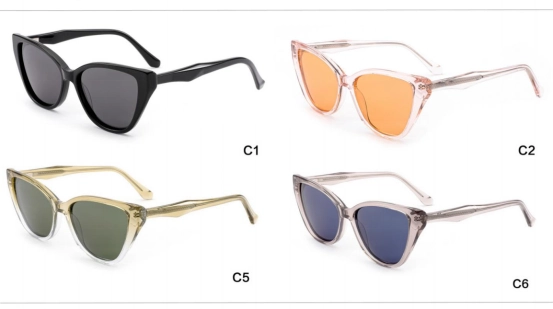
Sampel PP (Pre-Production) adalah konfirmasi fisik utama terakhir sebelum produksi massal. Sampel ini harus mengikuti daftar material dan jalur produksi yang telah disetujui: material rangka, engsel, sekrup, lensa, lapisan, metode logo, finishing, dimensi, penandaan, dan pengemasan. Pembeli perlu mengetahui karakteristik mana yang sudah pasti dan mana yang masih berisiko.
Setelah persetujuan PP, produsen dapat membekukan spesifikasi, mengeluarkan material, menerbitkan instruksi kerja, dan menjadwalkan produksi. Unit yang disetujui biasanya menjadi "sampel emas" yang digunakan untuk perbandingan visual dan dimensi.
Komentar persetujuan harus dikonsolidasikan ke dalam satu dokumen yang dikontrol revisinya. Foto harus didukung oleh dimensi, referensi warna, desain logo, file kemasan, dan kriteria penerimaan.
Produksi massal menimbulkan variasi yang mungkin tidak muncul dalam satu sampel. Campuran bahan baku, pengaturan mesin, tekanan pemolesan, ketebalan cat, gaya perakitan, dan penanganan operator dapat memengaruhi hasilnya.
Pabrik kacamata hitam harus mengendalikan prosesnya, bukan hanya meniru satu pasang. Bahan baku yang masuk harus diperiksa, dimensi kritis diukur, dan inspeksi dilakukan selama proses finishing, pemasangan lensa, pemasangan logo, dan perakitan. SUSON melaporkan inspeksi bahan baku yang masuk, inspeksi oleh inspektur di seluruh kelompok produksi, pemeriksaan dimensi, dan inspeksi permukaan untuk goresan, gerigi, gelembung, dan ketidakberaturan lapisan.
Gunakan satu lembar spesifikasi, satu nomor revisi, dan satu status persetujuan yang jelas. Ketika ada perubahan, versi sebelumnya harus ditandai sebagai usang agar tim pembelian, produksi, pengemasan, dan kualitas tidak mengikuti instruksi yang berbeda.
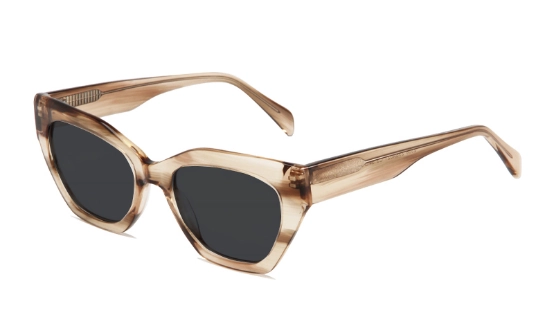
Untuk produk yang ditujukan untuk pasar yang diatur, pastikan standar pengujian yang dibutuhkan dan apakah sampel yang diuji menggunakan bahan, lensa, lapisan, dan konstruksi yang sama dengan pesanan produksi. Laporan pengujian memiliki nilai terbatas jika konfigurasi yang diuji berbeda dari produk akhir.
SUSON mendukung Proyek OEM dan ODM Mulai dari konfirmasi desain dan spesifikasi hingga pengembangan cetakan, pengambilan sampel, produksi, QC, pengemasan, dan pengiriman. Opsi kustomisasi meliputi ukuran, warna, material, gaya, proses, logo, dan kemasan. Perusahaan juga menjelaskan pemantauan QC berbasis bengkel dan inspeksi akhir sebelum pengemasan.
Merek dapat mengirimkan gambar, berkas teknis, sampel referensi, atau spesifikasi produk untuk menentukan jalur pengambilan sampel yang tepat. Tujuannya bukan untuk menghasilkan sampel lebih banyak dari yang diperlukan, tetapi untuk menggunakan sampel yang tepat di setiap titik pengambilan keputusan.
Permintaan informasi yang dipersiapkan dengan baik harus mencakup target pasar, material yang diharapkan, dimensi bingkai, persyaratan lensa, desain logo, konsep kemasan, perkiraan jumlah pesanan, dan tanggal pengiriman yang dibutuhkan. Masukan yang jelas memungkinkan tim teknik dan produksi untuk mengidentifikasi risiko sebelum pengambilan sampel dimulai.
Sebuah prototipe memvalidasi desain. Sebuah sampel PP (polipropilen) menetapkan spesifikasi produksi. Produksi massal membuktikan bahwa spesifikasi tersebut dapat diulang dalam skala besar.
Ketika tahapan-tahapan ini dipisahkan, pengambilan sampel menjadi proses rekayasa yang terkontrol, bukan lagi latihan persetujuan subjektif, sehingga mengurangi risiko koreksi yang mahal setelah produksi dimulai.
Kirim desain Anda ke SUSON gambar, sampel referensi, atau spesifikasi produk untuk membahas jalur pengambilan sampel yang paling sesuai untuk proyek kacamata hitam Anda.
Sebuah prototipe menguji desain, dimensi, dan kelayakan konsep kacamata hitam baru. Sampel PP kemudian diproduksi dan mewakili material, warna, komponen, dan pengerjaan akhir yang disetujui untuk produksi massal.
Secara teknis mungkin saja untuk pesanan berulang sederhana atau proyek mendesak, tetapi hal itu meningkatkan risiko. Desain baru dan kacamata hitam yang sangat disesuaikan biasanya harus memiliki referensi produksi yang disetujui secara jelas sebelum diproduksi secara massal.
Periksa dimensi bingkai, kesesuaian, keselarasan, spesifikasi lensa, bahan, warna, lapisan permukaan, engsel, penempatan logo, kemasan, dan tanda yang diperlukan. Catat semua komentar dalam satu dokumen persetujuan.