
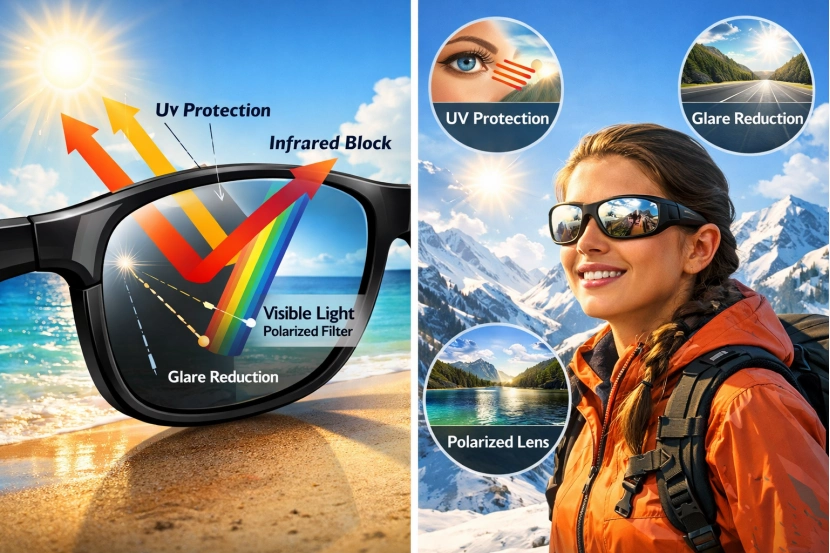
Licht wirkt auf erstaunliche Weise, wenn es das menschliche Auge trifft. Und Sonnenbrillen sind nur dafür gemacht, dieses Treffen zu bewältigen. Sie machen dich nicht nur cool aussehen. Sie arbeiten an grundlegenden optischen Ideen, die steuern, wie viel und welche Art von Licht in Ihre Netzhaut gelangt. Kurz gesagt, Sonnenbrillen funktionieren, indem sie bestimmte Wellenlängen absorbieren, reflektieren und filtern. Sie schützen Ihre Augen vor Schaden. Gleichzeitig fördern sie die visuelle Leichtigkeit.
Bevor wir in die Wissenschaft springen, wie sie funktionieren, hilft es zu wissen, warum Sonnenbrillen so wichtig sind.
Sonnenbrillen Sie dienen als Wächter zwischen Ihren Augen und der Welt um Sie herum. Sie hören auf zu blenden. Sie filtern auch schlechte Strahlung aus, die zu schnellen Beschwerden oder dauerhaften Schäden führt. Helle Sonne, die von Dingen wie Wasser oder Schnee abspringt, kann Ihr Sehvermögen überlasten. Dies macht deine Augen schminken und reifen aus. Sonnenbrillen schneiden dieses starke Licht ab. Sie halten Ihre Vision auch bei hartem Licht leicht.
Wenn das Licht zu hell wird, schließen sich unsere Augen ein wenig, um die Belichtung zu reduzieren. Dies verursacht Müdigkeit im Laufe der Zeit. Eine gute Brille verringert dies am Abend auf natürliche Weise durch Helligkeit und Kontrast. Mit weniger Blinken gibt es weniger Zug an den Gesichtsmuskeln. Sie bekommen einen scharferen, ruhigeren Blick. Dies hilft sehr bei Outdoor-Aufgaben wie Fahren oder Wandern. Dort brauchst du einen konstanten Fokus.
Um zu verstehen, wie Sonnenbrillen das Sehen schützen, lernen Sie zuerst die Arten von Licht, die unsere Augen jeden Tag treffen.
UV-Strahlung baut Auswirkungen auf die Augengesundheit auf. Zu viel beschleunigt das Altern in inneren Teilen wie dem Objektiv. Es betrifft auch äußere Haut wie Augenlider. Dies erhöht die Chancen für Probleme wie Hornhornverbrennungen (Photokeratitis) und Katarakte. Katarakte bewölken und verschwimmen die Sicht im Laufe der Zeit. UV400 Widerstand Sonnenbrille Sie reduzieren diese Risiken erheblich. Sie filtern alle Wellen bis zu 400 nm gut.
| Art der Strahlung | Wellenlängenbereich | Hauptwirkung auf die Augen |
| UVA | 315–400 nm | Alterung von Augengeweben |
| UVB-Licht | 280–315 nm | Schäden an der Hornhaut |
| Sichtbares Licht | 400–700 nm | Ermöglicht Sicht, verursacht aber Blendung |
| Infrarot | > 700 nm | Wärmeaufbau |
Die grundlegenden Ideen, wie Sonnenbrillen funktionieren, konzentrieren sich auf drei wichtige optische Wege: Absorption, Reflexion und Polarisation.
Objektivmaterial, oft Polycarbonat oder Glas, wird gebaut, um bestimmte Wellen absichtlich aufzunehmen. Sie senken also die schlechte Strahlung, ohne die normalen Farbsichten zu viel zu zerstören. Ein intelligentes Paar hält die Absorption gleichmäßig. Farben bleiben wahr, aber einfach für lange Looks.
Beschichtete Linsen sprengen extra Licht von Ihren Augen ab. Sie verhindern, dass sie sich im Inneren ausbreiten. Dies hilft sehr, wenn Sie glänzenden Flecken wie schneebedeckten Feldern oder nassen Wegen nach Regen begegnen. Solche Beschichtungen fügen auch schöne Looks hinzu. Außerdem erhöhen sie die Klarheit, indem sie verblasste Seheffekte schneiden.
Polarisierte Filter zählen zu den besten neuen Ideen in der Brillenherstellung. Sie stoppen Licht, das flach, die Hauptursache der Blendung, von glatten Flecken wie Wasser oder Glaswänden abspringt. Aus diesem Grund schärfen polarisierte Linsen Kontrast und Tiefengefühl erheblich. Sie passen gut für Outdoor-Spiele oder Fahren in heller Tagessonne.
Neue Technologie hat diese optischen Ideen zu echten Teilen in vielen Sonnenbrillentypen gemacht.
Der Name "UV400" bedeutet Linsen, die alle ultravioletten Strahlen bis zu 400 Nanometer in Wellenlänge stoppen. Dies deckt sowohl UVA als auch UVB vollständig ab. UV400 polarisierte Sonnenbrille Mischen Sie dies mit Polarisierungsfiltern. Sie bieten vollen Schutz gegen Strahlung. Und sie behalten einen scharfen Blick.
Diese Linsen verwenden winzige aufrechte Filter. Sie löschen Blendung, die seitlich gut reflektiert. Sie erweisen sich als praktisch für Aufgaben mit glänzenden Oberflächen, wie Bootfahren, Angeln oder Skifahren. Dort zählt der genaue Blick am meisten.
Spiegelbeschichtungen verwenden dünne Metallschichten auf der Außenseite der Linse. Sie schicken zusätzliche Sonne zurück. Jenseits ihres Raumzeitstils fallen sie an Stellen mit hohem Glanz, wie Stränden oder Sandgebieten, viel Helligkeit ab.
Mit der Photochrome-Technologie können die Linsen selbst dunkel werden, wenn UV-Licht sie trifft. Sie gehen wieder rein. Dieser wechselnde Schatten bietet echte Leichtigkeit für Leute, die oft zwischen Lichtflecken wechseln. Keine Notwendigkeit für zusätzliche Paare.
Anti-reflektierende Beschichtungen reduzieren Sprünge innerhalb der Linse Sache. Dies erhöht die Klarheit, vor allem unter künstlichen Lichtern oder Bildschirmleuchten. Es ist eine ruhige, aber starke Möglichkeit, Müdigkeit bei langem Tragen zu lindern.
Die richtige Brille zu wählen bedeutet mehr als nur einen Blick zu bekommen. Sie müssen die Linsenmerkmale mit dem übereinstimmen, was Sie tun möchten.
Polycarbonat-Linsen wiegen wenig, stehen aber Treffern wider. Sie eignen sich für den täglichen Gebrauch oder für Sportarten, bei denen der harte Aufbau den perfekten Blick übertrifft. Glaslinsen bieten bessere scharfe Ansichten. Aber sie wiegen mehr und brechen leichter. Sie passen Leuten, die klare Bilder über Kraft schätzen.
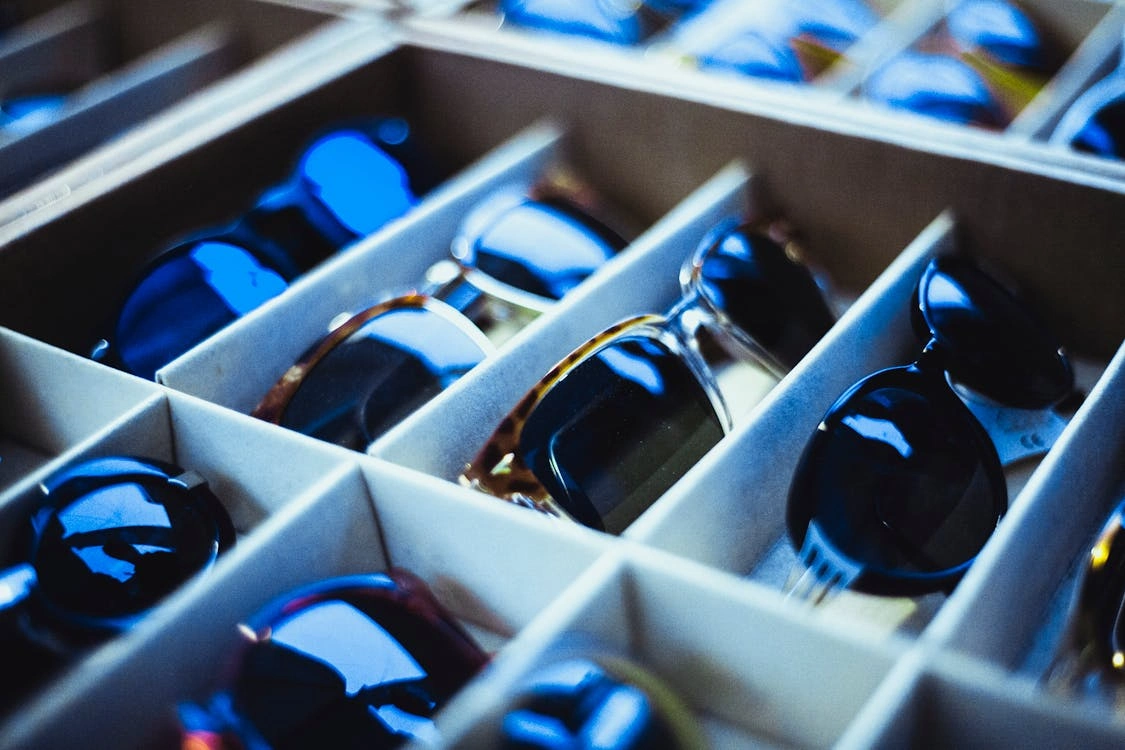
Linsenfarben gestalten sowohl Aussehen als auch Gebrauch:
Ihre Farbwahl hängt von Geschmack plus Aufgabe ab. Beispielsweise hilft braun in hügeligen Stellen mit wechselnden Ansichten. Grau funktioniert am besten für Stadtfahrten.
Ein breiter Rahmen hält Seitenstrahlen gut ab. Die gekrümmten Seiten blockieren, dass die straue Sonne sich in der Nähe von Ohren oder Wangen schleicht. Eine enge Passform hält sie stetig in Bewegung. Es vermeidet schmerzhafte Flecken. Diese kleine Sache hebt die Arbeit im Freien ein Haufen.
Sonnenbrillen gehen über nur Add-ons hinaus. Sie wirken als genaue Werkzeuge, die mit intelligenter Optik die Augengesundheit schützen. Nur ein dunkler Schatten bedeutet nicht sicher. Es kann das sichtbare Licht dimmen, aber schlechte Wellen überspringen. Echter Schutz kommt aus geprüfter UV-Filtertechnik, wie in UV400-Sonnenbrillen. Sie blockieren alles unabhängig von der Schattentiefe.
SUSON ist ein herausragender Hersteller, der sich an die Prinzipien der Optik hält und moderne Innovation und wissenschaftliche Präzision in jede Produktlinie integriert, um zuverlässige Augenschutzlösungen für den weltweiten Markt bereitzustellen.
Um die perfekte Mischung aus Stil und Schutz für Ihre Augen zu erleben, suchen Sie nicht weiter als die Premium-Sortiment von SUSON UV400 polarisierten Sonnenbrillen. Kontakt Susan heute und wählen Sie das ideale Paar, um Ihren Bedürfnissen zu entsprechen, ob es’ s für Outdoor-Sport, Fahren oder einfach einen sonnigen Tag genießen.
Das bedeutet, dass die Linsen alle ultravioletten Strahlen bis zu 400 Nanometer blockieren und sowohl das UVA- als auch das UVB-Spektrum vollständig abdecken.
Ja, denn polarisierte Filter beseitigen Blendung von flachen reflektierenden Oberflächen wie Wasser oder Straßen für eine klarere Sicht im Freien.
Nicht unbedingt; Nur zertifizierte UV-Schutzlinsen wie UV400 garantieren vollen Schutz vor schädlicher Strahlung.
Photochrome Linsen passen den Farbton automatisch auf der Grundlage der Lichtintensität an, während polarisierte Linsen durch Filtern von horizontalen Reflexionen die Blendung speziell reduzieren.
Grautöne sind ideal, da sie eine natürliche Farbbalanse aufrechterhalten und gleichzeitig die Gesamthelligkeit in den meisten Umgebungen bequem reduzieren.