
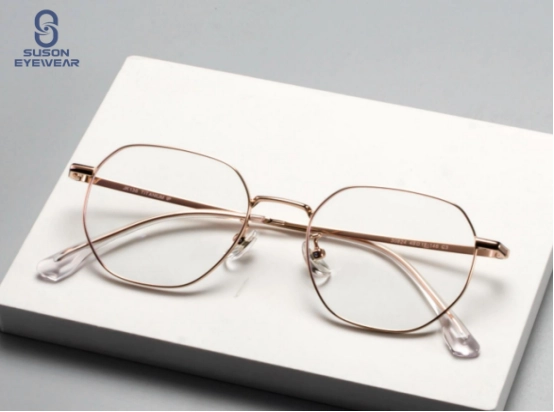
Две титановые рамы могут выглядеть почти одинаково, но при этом иметь совершенно разные заводские цены. На стоимость влияют марка материала, толщина стенок, сложность сварки, выбор петель, отделка, объем заказа и стандарты контроля качества.
Стоимость титана выше еще до начала производства. Сырье дороже обычной нержавеющей стали, и он менее податлив при формовке, сварке и отделке.
Стальная дужка может выдерживать небольшие отклонения в процессе производства. Тонкая титановая дужка может деформироваться, вернуться в исходное положение или потерять ориентацию при плохом контроле температуры. Это означает необходимость использования более качественных креплений и опытных специалистов.
Результат становится заметен позже: малый вес, коррозионная стойкость и комфорт при длительном использовании. оптические кадры Если носить наушники весь день, то несколько граммов имеют значение. Покупатели замечают это, когда за ушами нарастает давление.
«Титановая рама» — это неполное описание материала. В полезном коммерческом предложении следует указать марку, компоненты, в которых он используется, и включены ли другие металлы.
Чистый титан — надежный материал для легких и коррозионностойких оправ для очков. Он хорошо подходит для лаконичного коммерческого дизайна.
Постоянство качества важнее, чем премиальный бренд. Изменение источников материалов между партиями может повлиять на упругость, вес и посадку.
Бета-титан выбирается там, где важна гибкость. Тонкие дужки и гибкие переносицы выигрывают от его пружинящих свойств.
Качественная обработка обходится дороже. Платить за это оправданно, если в конструкции используется именно это свойство. В случае толстых декоративных элементов это может увеличить стоимость без существенной пользы.
Комбинированная конструкция является распространенной и не обязательно хуже по качеству. В оправе может использоваться титан для передней части, бета-титан для заушников и нержавеющая сталь для мелких деталей.
| Вариант материала | Главная характеристика | Типичное влияние на стоимость | Наиболее подходит для |
| Чистый титан | Легкий и коррозионностойкий | Средний до высокого | Оправы для очков премиум-класса на каждый день |
| Бета-титан | Гибкий и устойчивый | Высокий | Тонкие дужки и дизайн, ориентированный на комфорт. |
| Конструкция из смешанных материалов | Обеспечивает баланс между стоимостью и производительностью. | Низкий до среднего | Коммерческие коллекции и линии начального уровня |
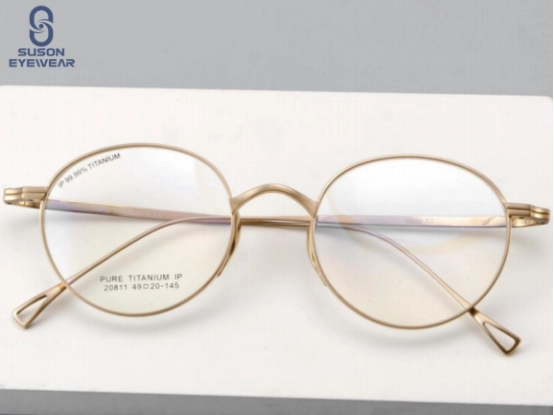
Исходная точка определяется материалом. Конструкция определяет, насколько сложно из этого материала изготовить устойчивый каркас.
Тонкие оправы, глубокая форма линз, острые углы и необычные изгибы повышают чувствительность процесса. Полуободковые и безободковые конструкции предъявляют разные требования к сверлению и сборке. Тонкие передние части оправ с полной оправой часто требуют более тщательного контроля формовки, чем более тяжелые конструкции.
Распространенная проблема при изготовлении образцов — симметрия. Одна из форм линзы может располагаться немного выше, несмотря на то, что чертеж САПР верен. Причиной могут быть напряжения при формовке, последовательность сварки или некачественный контроль за оснасткой.
Стандартные цилиндрические петли экономичны. Пружинные петли увеличивают количество деталей, время сборки и становятся еще одним потенциальным уязвимым местом. Они полезны только тогда, когда клиенту требуется больший диапазон открывания.
Многосоставные заушники позволяют использовать декоративные вставки, но при этом создают больше соединений и точек осмотра.
Носовые упоры кажутся незначительными. Но это не так. Угол наклона дужек упоров, твердость силикона и качество винтов напрямую влияют на комфорт и количество жалоб.
Изготовление концевых элементов, деталей моста, шарниров или логотипов на заказ обычно требует оснастки. Внесение изменений увеличивает стоимость.
Для небольшого запуска целесообразно модифицировать существующую структуру. Эксклюзивные компоненты подходят для долгосрочных коллекций. Объём продаж должен это оправдывать.
Резка и формовка определяют геометрию. Сварка её фиксирует. Полировка и отделка помогают оправдать розничную цену.
Качественная сварка – это не только прочность. После нанесения покрытия становятся заметны следы от нагрева, неровные швы и излишки присадочного материала. Для чистого шва требуется меньше шлифовки, и он сохраняет геометрию.
Отделка поверхности заслуживает пристального внимания. Образец цвета может выглядеть превосходно, но испортиться после нескольких месяцев воздействия пота, кожного сала и чистки. Покупателям следует поинтересоваться, как наносится покрытие и используется ли в утвержденном образце технология массового производства.
За окончательную регулировку стоит заплатить. Премиальная упаковка не спасет раму, которая качается на ровной поверхности.
Минимальный объем заказа (MOQ) — это отчасти производственный вопрос, а отчасти вопрос распределения затрат. Настройка инструмента, подготовка цвета, корректировка линии и упаковка продукции происходят даже при небольших объемах заказа.
Низкий минимальный объем заказа (MOQ) полезен для тестирования рынка. Это не то же самое, что самая низкая цена за единицу товара. Определенный минимальный объем заказа (MOQ) OEM/ODM производство очков Этот процесс помогает покупателям понять, какие затраты на разработку возникают до начала массового производства.
Проверка обходится дешевле, чем переделка и претензии по стоимости доставки, хотя не каждый этап имеет одинаковую ценность.
В процессе производства необходимо проверять идентичность материала, размеры, подвижность шарниров, прочность сварных швов и симметрию рамы.
Встроенные проверки позволяют выявлять проблемы на этапе, когда их еще можно исправить. После того, как было изготовлено 3000 рам, даже небольшая ошибка выравнивания превращается в дорогостоящее обсуждение.
Необходимо определить пределы допустимых поверхностных царапин, цветовых вариаций, степени затяжки винтов и усилия, прилагаемого при открывании дужек. Стандарт «приемлемый внешний вид» не является полезным.
Подтвержденный предсерийный образец служит физическим эталоном для всей линейки продукции. Он должен включать утвержденный цвет, расположение логотипа, размеры, компоненты и упаковку.
Заключительная проверка должна подтвердить соответствие продукции заявленным характеристикам. Для стабильных повторных заказов может использоваться выборочная проверка. Новые конструкции или сложные варианты отделки требуют более строгого контроля.
Необходимые протоколы испытаний и маркировка должны быть согласованы до начала производства. Выявление специфических требований рынка происходит и после упаковки.
Наиболее безопасная экономия обычно достигается за счет снижения сложности.
Контроль качества резки может снизить стоимость заказа, но при этом переносит издержки на последующие этапы производства.
Одной цены за единицу без технической информации недостаточно. Сравнивайте котировки построчно.
Контрольный список:
В лучшей цитате часто меньше всего вопросов без ответа.
Вкладывайте средства там, где пользователь почувствует разницу: меньший вес, стабильная посадка, удобные дужки, аккуратная сварка, прочная отделка и надежные шарниры.
Технические характеристики, которые не улучшают удобство использования или воспроизводимость результатов, трудно обосновать. Титан и так стоит дороже. Завод должен сделать эту разницу в цене очевидной.
Укажите целевую аудиторию, дизайн оправы, предпочтительные материалы, количество и ожидаемую розничную цену. СУСОН получить рекомендации и ценовое предложение по титановым очкам, разработанным специально для данного проекта.
Вопрос: Всегда ли чистый титан лучше бета-титана?
Нет. Чистый титан подходит для многих легких, коррозионностойких рам. Бета-титан лучше подходит там, где контролируемая гибкость является частью конструкции.
Вопрос: Почему небольшой заказ титановых очков стоит дороже за штуку?
Затраты на подготовку, отбор проб, оснастку, подготовку цвета и контроль качества распределяются между меньшим количеством единиц продукции.
Вопрос: Что должна включить фабрика по производству титановых очков в коммерческое предложение?
Материалы по компонентам, обработка поверхности, тип шарнира, минимальный объем заказа, стоимость оснастки и образцов, упаковка, сроки поставки и объем контроля.
Вопрос: Могут ли покупатели снизить затраты за счет использования смешанных материалов?
Да, если каждый компонент подходит для своей функции и четко определен.
Вопрос: За что стоит доплачивать?
Стабильность материала, точная формовка, чистая сварка, стабильная отделка, качественные петли, контроль качества и стабильность повторных заказов.