

Предсерийный образец может выглядеть правильно, но мелкие нерешенные детали могут дорого обойтись, когда в производство поступят тысячи оправ. Оттенок линз может измениться, дужка может открываться слишком узко, логотип может сместиться, или футляр может давить на линзы во время транспортировки.
В проекте по производству очков на заказ утверждение образца — это разрешение на разработку, а не просто решение «хорошо выглядит». Утвержденный образец, чертежи, цветовые решения, макет и инструкции по упаковке должны составлять единый контролируемый стандарт. Четкий контрольный список для утверждения образца очков перед началом производства дает покупателю и производителю одну и ту же измеримую цель.
Упаковка должна отвечать на один вопрос: какой именно продукт необходимо повторять в процессе массового производства?
В пакет документов должны входить утвержденный образец или образец полипропилена, спецификация продукта, чертеж с размерами, информация о материалах, цветовые рекомендации, макет логотипа, требования к линзам, файлы упаковки и письменное подтверждение утверждения.
Изображения, журналы чатов или расплывчатые описания не могут заменить официальные спецификации. В рамках SUSON процесс персонализацииМатериалы, размеры, цвета, функциональность и дизайн логотипа утверждаются до начала прототипирования, и серийное производство начинается только после утверждения образца или предсерийного образца.
Экраны, экспозиция камеры и освещение могут изменять воспринимаемый оттенок. Осмотрите физический образец при нейтральном дневном свете и белом свете в помещении. Для тонированных или градиентных линз проверьте изделие как спереди, так и сбоку от пользователя.
Если в проекте используется эталонный цвет Pantone, образец ацетата, металлический образец с гальваническим покрытием или утвержденный цветовой эталон, укажите это в спецификации и сохраните ее для производства и окончательной проверки.
Не следует одобрять только переднюю часть рамы.
Проверять
Также необходимо уточнить, является ли каждая поверхность матовой, глянцевой, шлифованной, полированной, прозрачной или покрытой каким-либо покрытием.
Материалы, используемые для изготовления очков, не воспроизводят цвета одинаково. Рисунок ацетата варьируется в зависимости от положения листа, цвет при литье под давлением может меняться от партии смолы к партии, а металлическое покрытие изменяется в зависимости от условий полировки и нанесения покрытия.
В случаях, когда ожидаются отклонения, утвердите образцы с верхним и нижним пределами или определите практически осуществимый визуальный допуск. Избегайте принципа «идентично образцу», если эталонный образец не идентифицирован и не сохранен.
Советы: Спросите у своего производитель очков Как будет проверяться однородность цвета в процессе производства и будет ли храниться эталонный образец цвета рядом с производственной линией?
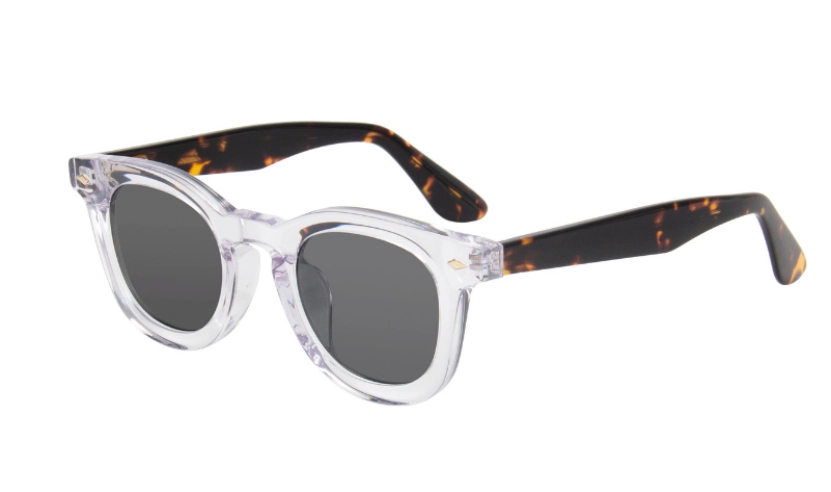
Измерьте образец полипропилена с помощью калиброванных инструментов и сравните его с техническим чертежом.
Типичные размеры включают в себя
Размеры должны включать допуски. Длина заушника 145 мм считается неполной, если не указано допустимое отклонение. Для оправ оптических очков необходимо проверить состояние пазов для линз, закрытие оправы, фиксацию линз и стабильность остекления.
Проверка посадки должна быть воспроизводимой. Убедитесь, что оправа расположена ровно, переносица правильно соприкасается с головой, заушники не создают чрезмерного давления, а кончики заушников следуют за формой головы, не скручиваясь.
Несколько раз откройте и закройте обе дужки. Сопротивление шарниров должно быть постоянным, оправа не должна качаться на ровной поверхности, и обе дужки должны открываться в одном и том же положении.
Для новой модели необходимо протестировать ее на нескольких пользователях в пределах целевого диапазона размеров и зафиксировать корректировки перед выпуском.
Процесс нанесения логотипа должен соответствовать материалу рамы, доступной площади поверхности и требованиям к долговечности. Распространенные методы включают лазерную гравировку, печать, металлические логотипы, встраиваемые пластины, тиснение и конгревное тиснение.
Логотип может выглядеть четким на изображении, но стать нечитаемым на узкой дужке. Для печатных логотипов может потребоваться тестирование адгезии, в то время как для металлических логотипов необходима контролируемая глубина углубления и надежное позиционирование. Необходимо утвердить сам процесс на производственном материале.
Используйте векторную графику и задайте ширину, высоту, цвет, ориентацию и местоположение логотипа. Размещайте логотип, отсчитывая расстояние от фиксированного элемента, например, от края шарнира. Точность «по центру виска» недостаточна, если висок сужается.
Проверьте левую и правую дужки отдельно. Проверьте логотипы на линзах, футлярах, чехлах, салфетках для чистки, коробках, карточках и бирках, чтобы во всех случаях использовалась одна и та же версия логотипа.
Перед снятием необходимо провести соответствующую проверку на трение или адгезию.
Упаковка влияет на сохранность товара, стоимость доставки, внешний вид в розничной продаже и маркировку. Утвердите ее до того, как изготовление нестандартных коробок, этикеток или упаковок задержит выполнение заказа.
Поместите утвержденную рамку внутрь полной розничной упаковки. Подтвердите размер чехла и мешочка, размеры ткани, вкладышей, штрих-кодов, этикеток с артикулом, маркировки страны происхождения, этикеток, гарантийных талонов и расположение логотипа.
Оправа не должна сжиматься при закрытии чехла. Линзы не должны соприкасаться с молниями, пуговицами, цепочками или жесткими аксессуарами. Проверьте читаемость штрихкода на распечатанном образце и подтвердите модель, цветовой код и артикул.
Утвердите количество пар в каждой внутренней и основной коробке, размеры коробки, целевые показатели веса, маркировку для транспортировки, способ запечатывания и внутреннюю защиту.
Упакуйте одну полную пробную коробку. Проверьте перемещение товара и деформацию упаковки. Для смешанных моделей определите ассортимент, нумерацию коробок и формат упаковочного листа.
Перед выпуском объедините все требования в один документ, подлежащий контролю. В нем должны быть указаны модель, материалы, цвета, размеры, допуски, функции линз, процесс нанесения логотипа, упаковка, количество по цветам, критерии контроля качества и график поставок.
Определите категории дефектов. Косметические дефекты, функциональные неисправности, неправильная маркировка и повреждение упаковки не следует рассматривать как один и тот же дефект. При использовании плана AQL зафиксируйте уровень контроля и пределы допустимых отклонений.
Утвержденный образец должен оставаться доступным для производства и контроля качества. Инспекторы должны сравнивать изделие с ним на ключевых этапах и проверять функциональность, внешний вид, маркировку и упаковку перед отгрузкой.
Надежный Производитель очков по OEM/ODM-проектам Необходимо обеспечить соответствие утвержденным спецификациям на всех этапах, от отбора проб до контроля качества в процессе производства, окончательной проверки, упаковки и отгрузки.
Корректировка одного образца обходится недорого. Корректировка готового оптового заказа – нет. Дисциплинированный контрольный список для массового производства очков преобразует визуальные предпочтения в измеримые производственные требования и обеспечивает фабрике стабильную основу для работы вплоть до окончательной упаковки.
Планируете создать коллекцию солнцезащитных очков или оправ для очков на заказ?
Отправлять СУСОН Ваш дизайн, образцы для сравнения, файлы логотипа, требования к упаковке и целевое количество. Наша команда OEM/ODM поможет вам организовать спецификации, разработать образцы и подготовить ваш проект к контролируемому массовому производству.
Образец полипропилена (ПП) является окончательным эталонным образцом, используемым перед началом серийного производства. Он должен максимально точно соответствовать утвержденным материалам, размерам, цветам, линзам, процессу нанесения логотипа и упаковке.
Образец должен быть рассмотрен отделами дизайна продукции, закупок, контроля качества и брендинга. Окончательное письменное разрешение должно быть выдано одним уполномоченным лицом, чтобы производитель получил единое контролируемое решение.
Да, но изменения могут остановить производство, привести к потерям материалов, потребовать доработки и задержать отгрузку. Важные детали должны быть утверждены до запуска в производство.
Используйте физический эталонный образец, утвержденный образец цвета или образец определенного диапазона. Проведите осмотр при согласованном освещении и задокументируйте допустимые отклонения для каждого материала и отделки.
Сроки поставки коробок, этикеток, вкладышей и упаковочных материалов могут быть разными. Раннее утверждение также позволяет проверить упакованный продукт на соответствие размерам, степень защиты, точность штрихкода и эффективность транспортировки.