

Próbka przedprodukcyjna może wyglądać poprawnie, ale drobne, nierozwiązane szczegóły mogą okazać się kosztowne, gdy do produkcji trafią tysiące oprawek. Odcień soczewek może się zmienić, zausznik może się otworzyć zbyt ciasno, logo może się przesunąć, a etui może naciskać na soczewki podczas transportu.
W przypadku projektu okularów OEM, zatwierdzenie próbki jest dokumentem technicznym, a nie prostą decyzją „czy wygląda dobrze”. Zatwierdzona próbka, rysunki, wzorniki kolorystyczne, projekt graficzny i instrukcje pakowania muszą stanowić jeden kontrolowany standard. Jasna lista kontrolna zatwierdzenia przedprodukcyjnego okularów daje kupującemu i producentowi ten sam mierzalny cel.
Opakowanie powinno odpowiadać na jedno pytanie: Jaki konkretny produkt musi zostać powtórzony podczas produkcji masowej?
Pakiet powinien zawierać zatwierdzoną próbkę lub próbkę PP, arkusz specyfikacji produktu, rysunek wymiarowy, informacje o materiałach, odniesienia kolorystyczne, projekt logo, wymagania dotyczące soczewek, pliki dotyczące opakowania i pisemny protokół zatwierdzenia.
Obrazy, zapisy czatów ani niejasne opisy nie mogą zastąpić formalnych dokumentów specyfikacji. W ramach SUSON proces personalizacjiMateriały, wymiary, kolory, funkcje i wzory logo są potwierdzane przed prototypowaniem, a produkcja masowa rozpoczyna się dopiero po zatwierdzeniu próbki lub próbki przedprodukcyjnej (PP).
Ekrany, ekspozycja aparatu i oświetlenie mogą zmieniać widoczny odcień. Obejrzyj próbkę fizyczną w neutralnym świetle dziennym i białym świetle w pomieszczeniu. W przypadku soczewek przyciemnianych lub gradalnych, obejrzyj produkt zarówno z przodu, jak i z boku użytkownika.
Jeżeli w projekcie wykorzystano odniesienie Pantone, próbkę octanu, próbkę metalu platerowanego lub zatwierdzony wzorzec kolorów, należy to zaznaczyć w arkuszu specyfikacji i zachować go do produkcji i ostatecznej kontroli.
Nie zatwierdzaj wyłącznie przedniej części ramy.
Sprawdzać
Sprawdź również, czy każda powierzchnia jest matowa, błyszcząca, szczotkowana, polerowana, przezroczysta czy powlekana.
Materiały stosowane w okularach nie odtwarzają kolorów w sposób identyczny. Wzory octanu różnią się w zależności od położenia arkusza, kolory wtrysku mogą się różnić między partiami żywicy, a powłoka metalowa zmienia się w zależności od warunków polerowania i powlekania.
W przypadku przewidywanych odchyleń, zatwierdź próbki z górną i dolną granicą lub określ praktyczną tolerancję wizualną. Unikaj sformułowania „zgodna z próbką”, chyba że zidentyfikowano i zachowano próbkę odniesienia.
Wskazówki: Zapytaj swojego producent okularów w jaki sposób będzie sprawdzana spójność kolorów w trakcie produkcji i czy przy linii produkcyjnej będzie przechowywana próbka wzorcowa koloru.
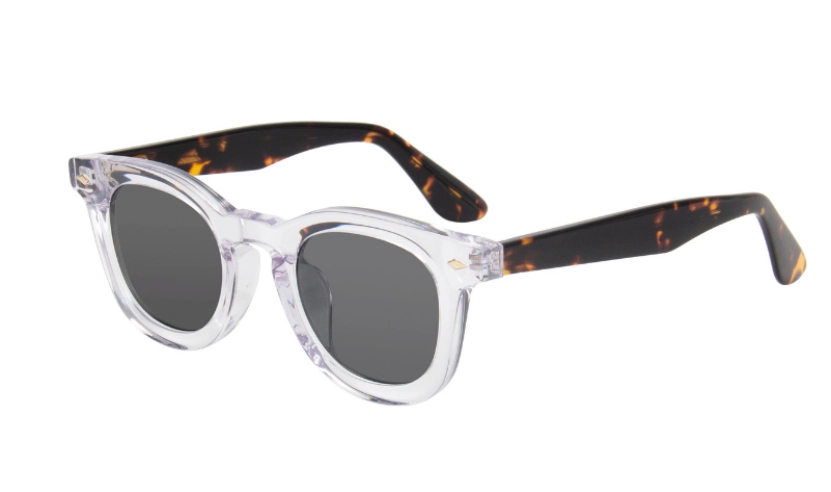
Zmierz próbkę PP za pomocą skalibrowanych narzędzi i porównaj wyniki z rysunkiem technicznym.
Typowe wymiary obejmują
Wymiary muszą uwzględniać tolerancje. Długość zausznika 145 mm jest niekompletna, jeśli nie podano dopuszczalnej odchyłki. W przypadku oprawek optycznych należy sprawdzić stan rowka na soczewki, zamknięcie oprawki, utrzymanie soczewki i stabilność szkieł.
Testy dopasowania powinny być powtarzalne. Sprawdź, czy rama jest dobrze wypoziomowana, mostek przylega prawidłowo, zauszniki nie wywierają nadmiernego nacisku, a końcówki zauszników przylegają do głowy bez przekręcania.
Otwórz i zamknij oba zauszniki kilka razy. Opór zawiasów powinien być stały, oprawka nie powinna się kołysać na płaskiej powierzchni, a oba zauszniki powinny osiągnąć tę samą pozycję otwarcia.
W przypadku nowego modelu należy przeprowadzić testy na kilku osobach noszących go w docelowym zakresie rozmiarów i odnotować zmiany przed wypuszczeniem na rynek.
Proces tworzenia logo musi być dostosowany do materiału ramy, dostępnej powierzchni i wymagań dotyczących trwałości. Typowe metody obejmują grawerowanie laserowe, drukowanie, logo metalowe, wklejanie na płytkach, tłoczenie wklęsłe i wklęsłe.
Logo może być wyraźne na grafice, ale stać się nieczytelne na wąskim zauszniku. Drukowane logo może wymagać sprawdzenia przyczepności, natomiast logo metalowe wymagają kontrolowanej głębokości wgłębienia i bezpiecznego umiejscowienia. Zatwierdź rzeczywisty proces na materiale produkcyjnym.
Użyj grafiki wektorowej i zdefiniuj szerokość, wysokość, kolor, orientację i lokalizację logo. Zmierz umiejscowienie na podstawie stałego elementu, takiego jak krawędź zawiasu. Ustawienie „wyśrodkowane na zauszniku” nie jest wystarczająco precyzyjne, gdy zausznik się zwęża.
Sprawdź osobno lewe i prawe zauszniki. Sprawdź logo na soczewkach, etui, woreczkach, ściereczkach czyszczących, pudełkach, kartach i metkach, aby każda aplikacja zawierała tę samą wersję marki.
Przed zwolnieniem należy wykonać odpowiednią kontrolę tarcia i przyczepności.
Opakowanie ma wpływ na ochronę, koszt wysyłki, prezentację w sklepie i etykietowanie. Zatwierdź je, zanim niestandardowe opakowania, etykiety lub pudełka opóźnią realizację zamówienia.
Umieść zatwierdzoną ramkę w kompletnym opakowaniu detalicznym. Sprawdź rozmiar etui i woreczka, wymiary materiału, wkładki, kody kreskowe, etykiety SKU, oznaczenia kraju pochodzenia, metki, karty gwarancyjne i umiejscowienie logo.
Oprawka nie może być ściśnięta po zamknięciu etui. Soczewki nie powinny stykać się z zamkami błyskawicznymi, guzikami, łańcuszkami ani twardymi akcesoriami. Sprawdź czytelność kodu kreskowego na wydrukowanej próbce i potwierdź model, kod koloru oraz kod SKU.
Zatwierdź pary dla każdego wewnętrznego kartonu i kartonu głównego, wymiary kartonu, docelowe wagi, znaki wysyłkowe, metodę plombowania i ochronę wewnętrzną.
Zapakuj jeden pełny karton próbny. Sprawdź ruch produktu i odkształcenia opakowania. W przypadku modeli mieszanych określ asortyment, numerację kartonów i format listy przewozowej.
Przed udostępnieniem należy połączyć wszystkie wymagania w jeden kontrolowany rekord. Powinien on określać model, materiały, kolory, wymiary, tolerancje, funkcje soczewek, proces tworzenia logo, opakowanie, ilości według koloru, kryteria kontroli oraz harmonogram dostaw.
Zdefiniuj kategorie wad. Problemy kosmetyczne, wady funkcjonalne, nieprawidłowe etykiety i uszkodzenia opakowań nie powinny być traktowane jako ta sama wada. W przypadku stosowania planu AQL należy zarejestrować poziom kontroli i limity akceptacji.
Zatwierdzona próbka musi pozostać dostępna dla działu produkcji i kontroli jakości. Inspektorzy powinni porównywać ją z produktem na kluczowych etapach oraz weryfikować funkcjonalność, wygląd, oznakowanie i opakowanie przed wysyłką.
Niezawodny Producent okularów OEM/ODM powinien uwzględniać zatwierdzone specyfikacje od pobierania próbek, przez kontrolę w trakcie procesu, kontrolę końcową, pakowanie, aż po wysyłkę.
Korekta jednej próbki jest niedroga. Korekta całego zamówienia hurtowego nie. Zdyscyplinowana lista kontrolna masowej produkcji okularów przekształca preferencje wizualne w mierzalne wymagania produkcyjne i zapewnia fabryce stabilny punkt odniesienia aż do końcowego pakowania.
Planujesz spersonalizować kolekcję okularów przeciwsłonecznych lub oprawek optycznych?
Wysłać Suson Twój projekt, próbki referencyjne, pliki z logo, wymagania dotyczące opakowania i docelowa ilość. Nasz zespół OEM/ODM pomoże Ci zorganizować specyfikacje, opracować próbki i przygotować projekt do kontrolowanej produkcji masowej.
Próbka PP stanowi ostateczny punkt odniesienia przed rozpoczęciem produkcji masowej. Powinna ona jak najwierniej odzwierciedlać zatwierdzone materiały, wymiary, kolory, soczewki, proces produkcji logo i opakowanie.
Zespoły ds. projektowania, zakupów, jakości i marki powinny dokonać przeglądu próbki. Jedna upoważniona osoba powinna wydać ostateczną pisemną zgodę, aby producent otrzymał jedną kontrolowaną decyzję.
Tak, ale zmiany mogą zatrzymać produkcję, zmarnować materiały, wymagać przeróbek i opóźnić wysyłkę. Krytyczne szczegóły powinny zostać zablokowane przed uruchomieniem produkcji.
Użyj fizycznej próbki wzorcowej, zatwierdzonego wzornika kolorów lub próbki o zdefiniowanym zakresie. Przeprowadź inspekcję w uzgodnionym oświetleniu i udokumentuj dopuszczalne odchylenia dla każdego materiału i wykończenia.
Opakowania, etykiety, wkładki i kartony mogą mieć oddzielne terminy realizacji. Wczesne zatwierdzenie pozwala również na sprawdzenie zapakowanego produktu pod kątem dopasowania, ochrony, dokładności kodu kreskowego i sprawności wysyłki.