
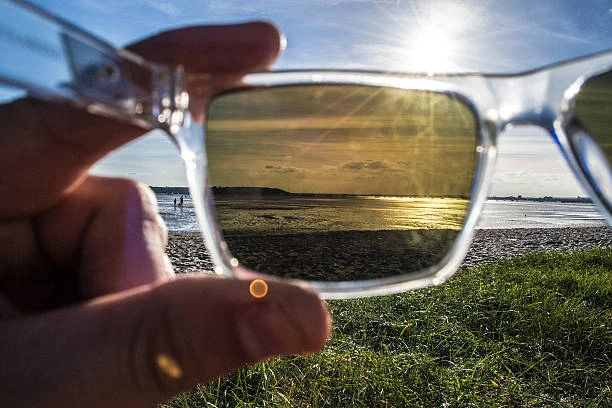
Choosing between polarized and non-polarized sunglasses often depends on how and where you use them. Polarized lenses help cut glare and give sharper vision. Non-polarized ones just block sunlight from your eyes. The difference might seem small. But it can really change how you see things outside.
Before you compare both types, you need to know what makes polarized sunglasses special. They are a must for many people who love outdoor fun.
Polarized sunglasses have a special chemical layer on their lenses. This layer filters light. It stops horizontal light waves from reflected surfaces. These waves cause glare. But it lets vertical light waves go through. So, you get clearer sight with less bright light from things like water, glass, or roads.
Sunlight bounces off flat spots like water or snow. Then it turns into horizontal polarized light. This makes strong glare that hides your view. Polarized lenses fight back. They act like a picky wall against those horizontal waves. That is why polarized photochromic sunglasses work so well for fun activities with bright bounces.
The good points of polarized lenses go past just feeling nice. They boost safety and how well you do in different spots.
For truck drivers or sports players who pick sunglasses sport polarized models, these perks are real. They help how you play and stay safe.
People like polarized sunglasses in places with lots of bounce glare:
Some folks like old-school looks such as sunglasses polarized aviator styles. They mix classic style with new eye tech.
Polarized lenses get most talk about top eyewear. But non-polarized choices still help a lot in daily spots.
Non-polarized sunglasses use colored lenses. These cut total brightness. They do not pick out light directions. They guard eyes from bad UV rays. But they skip glare from bounces. For everyday folks who stay out little or in shade, this guard works fine.
Non-polarized types give useful perks. They suit normal use:
SUSON is a manufacturer that designs and makes sunglasses and optical eyewear. They often list both polarized and non-polarized picks to fit what buyers want.

Knowing the differences lets you pick by what it does. Not just how it looks or costs.
In strong sun or near shiny spots like ponds or icy roads, polarized lenses beat non-polarized ones big time. They wipe out hard shines. You see the change easy if you look side by side. With polarization, colors seem richer. Edges look clearer. Without it, views feel dull from spread light.
Still, polarization might tweak some colors a bit. This happens on screens or car boards. That is why some flyers or workers stick to non-polarized for true reads.
| Environment | Polarized Performance | Non-Polarized Performance |
| Driving on wet roads | Excellent glare reduction | Moderate protection |
| Fishing / Water sports | Superior underwater visibility | Surface reflection remains |
| Snowy conditions | High contrast visibility | Possible glare fatigue |
| Indoor / Screen use | May cause distortion | Clearer screen view |
Cost changes with lens tech. Polarized sunglasses cost more in general. That is from extra filter layers. But lots of brands now sell cheap ones that close the gap. Looks like sunglasses polarized aviator or sunglasses sport polarized show up in many price ranges.
SUSON has made them easier to get. They do OEM/ODM services. This lets shops tweak frames and lens kinds for what sells. Buyers get good quality and style picks without high prices.
You can mix up colored glasses with real polarized ones. Unless you check right.
A fast way is to hold the sunglasses near a shiny spot. If the glare drops a lot through the lens, but comes back when you turn it 90 degrees, they are polarized. Another check uses screens. Polarized lenses get darker at some turns to the screen’s way.
These checks help prove they are real before you buy. Not all colored glasses called “anti-glare” are true polarized.
Right labels help buyers pick smart about eye guard. Good manufacturers say clear if products have polarization. They add UV levels too. This clear info builds trust. SUSON stresses it with full details on their eyewear lines.
Picking polarized or non-polarized lenses ties to your daily life. Not just what is popular.
Think about where you will wear them most:
In the end, pick classic aviators or sport wraps. But always get good UV block first. Both kinds help well. Just match the tech to your usual spots.
No, UV protection stops bad rays while polarization cuts glare. They fix different problems.
Pilots cannot wear polarized sunglasses, as the sunglasses and the LCD screen counteract each other, causing the screen image to darken and become difficult to see. The reason is that LCD screens typically incorporate a polarizing filter, which helps you view the screen in bright light by blocking vertically polarized light while allowing horizontally polarized light to pass through. Polarized sunglasses, however, block this horizontally polarized light.
They shade less in dim light. But they are not great for night drives. You see less bright. Wearing yellow night-vision lenses while driving at night can effectively enhance visual clarity.
Wipe with a soft cloth and light soap water. Skip paper towels. They can scratch the layer.
Yes. They help outdoor players a lot. You get sharp sight in spots like snow or open water.