
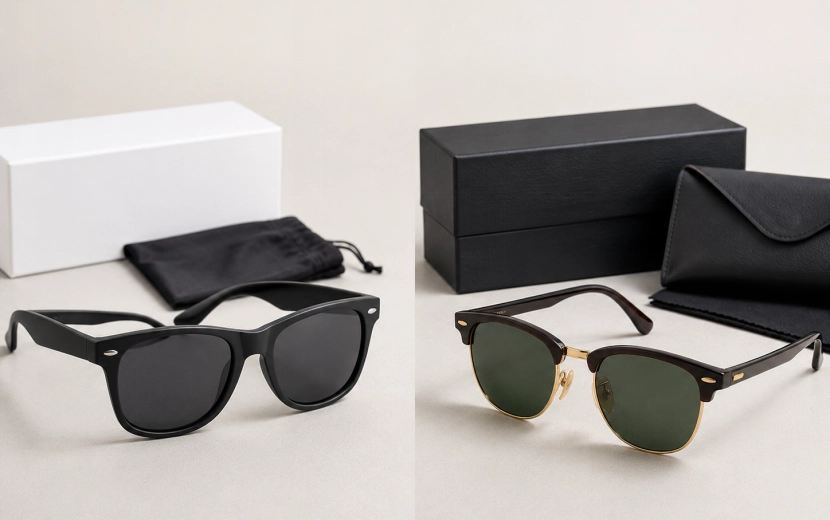
Para za 2 dolary okulary słoneczne Na zdjęciu produktu mogą wyglądać jak para za 20 dolarów. Rzeczywista różnica sprowadza się do kilku kluczowych szczegółów. Należą do nich materiał oprawki i ogólna jakość soczewek. Kupujący znajdą również istotne różnice w ochronie UV i powłokach. Co więcej, ręczny montaż i rygorystyczne standardy kontroli odgrywają ogromną rolę.
Cena okularów rzadko jest kwestią jednego czynnika. Oprawka, która wygląda prosto, może wymagać lepszego surowca, dokładniejszego polerowania, mocniejszych zawiasów, przetestowanych soczewek lub czystszego opakowania.
Koszt okularów przeciwsłonecznych zazwyczaj składa się z kilku elementów:
Ten poziom może sprawdzić się w przypadku sprzedaży krótkoterminowej, promocji wydarzeń, rozdań nagród festiwalowych lub kanałów sprzedaży detalicznej oferujących bardzo niskie ceny. Kupujący zyskuje niski koszt wejścia i możliwość szybkiego testowania rynku. Kompromis jest oczywisty: mniej opcji materiałowych, mniej wyrafinowane wykończenie i ograniczona prezentacja marki.
Okulary przeciwsłoneczne za 2 dolary są zazwyczaj wykonane z prostego plastiku lub zwykłego metalu, przy użyciu prostego procesu formowania wtryskowego lub montażu. Ich wygląd może spełniać podstawowe wymagania sprzedażowe, ale ich jakość wykonania, trwałość i komfort noszenia są zazwyczaj ograniczone.
Kluczowa jest ochrona przed promieniowaniem UV. Nie zakładaj, że każda ciemna soczewka chroni oczy. Ciemna soczewka bez odpowiedniej ochrony UV może stworzyć fałszywe poczucie bezpieczeństwa. Jeśli okulary przeciwsłoneczne będą sprzedawane jako… Okulary UV400Przed rozpoczęciem produkcji należy wystąpić o potwierdzenie przeprowadzenia testów.
Wiele projektów okularów przeciwsłonecznych popularnych marek i marek średniej półki cenowej zalicza się do tej kategorii, ponieważ pozwala to na wykorzystanie lepszych materiałów i zapewnia podstawową ochronę soczewek.
W porównaniu z okularami przeciwsłonecznymi za 2 dolary, produkt zazwyczaj leży stabilniej w dłoni. Zauszniki otwierają się płynniej. Oprawka lepiej trzyma się w dłoni. Powierzchnia jest czystsza. Opakowanie można również zmienić z prostej torebki foliowej na saszetkę lub proste pudełko.
Typowe konfiguracje obejmują oprawki z TR90, podstawowe oprawki z octanu lub bardziej stabilne tworzywa sztuczne. W przypadku soczewek zazwyczaj można wybrać standardowe soczewki UV400 lub podstawowe. soczewki spolaryzowane. Za podstawowy poziom jakości uznaje się przedział od 5 do 8 dolarów, bardziej odpowiedni do sprzedaży długoterminowej niż przedział 2 dolarów.
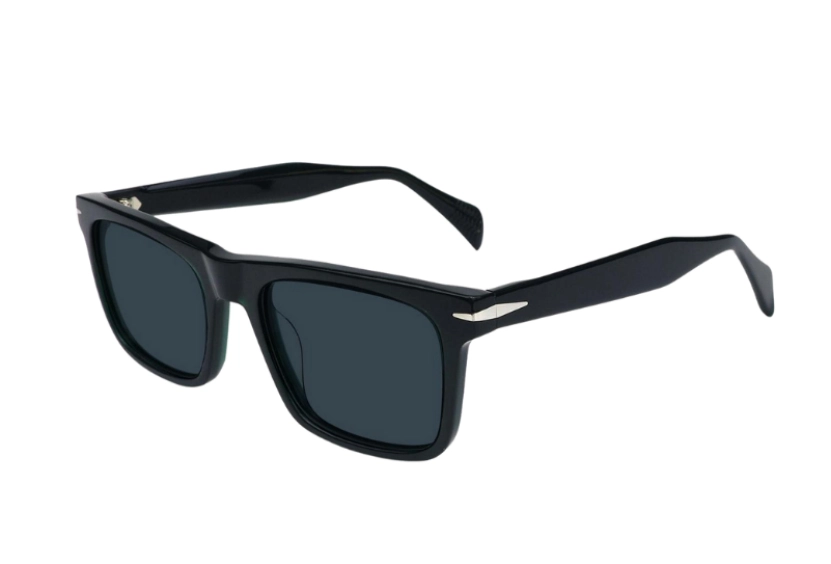
Gdy marka chce pozyskać stałych klientów, lepsze zdjęcia, bardziej estetyczne opakowanie i większą kontrolę nad stylem, przedział cenowy 10–15 dolarów często ma sens. Dla marek ze średniej i wysokiej półki ten przedział cenowy pozostawia również więcej miejsca na niestandardowe materiały, dopracowane wykończenia i opakowania, które wyglądają na gotowe do wręczenia w prezencie lub ekspozycji w sklepie. Dzięki temu produkt wydaje się bardziej przemyślany, a klienci chętniej kupują go ponownie, zamiast traktować go jako jednorazowy zakup.
Na tym poziomie zazwyczaj można odkryć lepsze oprawki z octanu, ulepszony TR90, materiały nylonowe, ulepszone elementy metalowe i stabilniejszy wybór soczewek. Kształt oprawki może być bardziej dopracowany. Kolory mogą wyglądać bardziej bogato. Soczewki mogą obsługiwać więcej funkcji, takich jak powłoka polaryzacyjna, opcje fotochromowe lub przetestowana ochrona UV400.
Do typowych zalet należą:
Gdy cena okularów przeciwsłonecznych przekracza 20 dolarów, zazwyczaj obejmuje ona więcej niż tylko koszt materiału. Na tym poziomie okulary przeciwsłoneczne są często pozycjonowane bliżej produktu luksusowego lub designerskiego niż podstawowego elementu garderoby. Kupujący płacą za silniejsze poczucie ekskluzywności, historię marki, identyfikację wizualną i bardziej wyrafinowane doświadczenie produktu od pierwszego wejrzenia po codzienne noszenie. Cena obejmuje pełniejsze doświadczenie produktu. Projekt, ręczne wykończenie, wysokiej jakości soczewki, szczegóły opakowania i surowsza kontrola jakości – to wszystko składa się na wartość.
Materiały mogą obejmować ręcznie robiony octan, tytan, wysokiej jakości stal nierdzewna, wysokiej jakości połączenia metali lub specjalne konstrukcje. Soczewki mogą być wyposażone w zaawansowane powłoki, cechować się wyższą przejrzystością, funkcjami polaryzacji lub bardziej specyficznymi cechami wydajnościowymi.
Dobrze sprawdza się w przypadku:
Czystszy zawias, lepsze polerowanie, stabilny kolor szkieł, wygodne noski i wysokiej jakości opakowanie mogą nie brzmieć imponująco, ale razem tworzą wyraźną różnicę.
Dokładna cena nadal zależy od projektu, materiału, wyboru soczewek, ilości zamówień, metody wykonania logo i szczegółów opakowania.
| Poziom cenowy | Materiały powszechne | Opcje soczewek | Opakowanie | Najlepiej dopasowany kanał sprzedaży |
| $2 | Podstawowy plastik lub prosty metal | Soczewka podstawowa barwiona, UV400 wymaga potwierdzenia | Prosta torebka foliowa | Promocje, kanały niskokosztowe |
| 5–8 dolarów | TR90, octan zasadowy, ulepszony plastik | Soczewka podstawowa spolaryzowana lub UV400, powłoka anty-olejowa, powłoka AR | Podstawowe pudełko lub woreczek | Szybka moda, marki średniej klasy |
| $10–$15 | Wysokiej jakości octan, nylon, ulepszony TR90 | Powłoka polaryzacyjna, antyolejowa, powłoka AR, fotochromowa, testowana UV400 | Opakowania niestandardowe | Nabywcy marek, handel detaliczny średniej i wyższej półki |
| $20+ | Ręcznie wykonany octan, tytan, metal najwyższej jakości | Zaawansowana powłoka i najwyższej jakości funkcje soczewek | Opakowanie marki | Pozycjonowanie premium, butikowe, luksusowe |
Dobra oferta zaczyna się od planu sprzedaży. Jeśli fabryka nie zna docelowej ceny detalicznej, kanału sprzedaży i pozycji marki, oferta może wydawać się atrakcyjna, ale nie przełożyć się na rzeczywistą sprzedaż.
Jeśli celem jest szybkie wprowadzenie na rynek, niska cena i sprzedaż krótkoterminowa, około 2 dolary–Zakres 5 dolarów może być odpowiedni. Należy jednak dokładnie sprawdzić ochronę UV400 i podstawowe kontrole. Niski koszt nie powinien oznaczać niejasnych zapewnień o bezpieczeństwie.
W przypadku stabilnego hurtu i sprzedaży detalicznej na dużą skalę, 5–8 dolarów zazwyczaj zapewnia lepszą równowagę. Produkt może pozostać przystępny cenowo, oferując jednocześnie lepszy materiał i niezawodną jakość.
Dla marki, która ceni sobie większy komfort, lepsze opakowanie, funkcjonalność soczewek i możliwość powtarzania zamówień, 10–15 dolarów to często lepsze rozwiązanie. Ta oferta umożliwia wygodniejszą personalizację logo, koloru i opakowania.
Jeśli marka stawia na design, fakturę materiału i wartość ekspozycyjną, bardziej realistyczną opcją jest kwota powyżej 20 dolarów. Ręcznie wykonany octan, tytan, soczewki premium i starannie dopracowane opakowanie mogą pomóc w generowaniu wyższych marż na produktach.
Jasno sformułowane zapytanie ofertowe oszczędza czas i pomaga producentowi w wyborze odpowiedniego rozwiązania w zakresie okularów przeciwsłonecznych. Przed złożeniem zapytania o wycenę, przygotuj następujące informacje:
Koszt okularów przeciwsłonecznych różni się ze względu na kilka kluczowych szczegółów. W przypadku projektu OEM/ODM odpowiedni poziom cen nie zawsze jest najtańszą opcją. Zamiast tego potrzebujesz solidnego planu dopasowanego do Twojego rynku. Musi on również być zgodny z wizerunkiem Twojej marki i dawać szansę na zysk.
Proszę o podanie planowanej ceny detalicznej SusonPotrzebujemy również informacji o Twojej docelowej marce i liczbie sztuk, które chcesz kupić. Nasz personel zaproponuje Ci wówczas zestaw okularów przeciwsłonecznych o wysokiej wartości. Wyślemy Ci również fizyczne próbki, abyś mógł je dokładnie przetestować.
P: Dlaczego niektóre okulary przeciwsłoneczne są tak tanie?
Niektórzy używają podstawowych materiałów, prostych przyciemnianych soczewek, standardowego opakowania i ograniczonej kontroli, aby utrzymać koszt jednostkowy na niskim poziomie.
P: Czy okulary przeciwsłoneczne za 2 dolary są bezpieczne dla oczu?
Nie należy zakładać, że są one bezpieczne, dopóki przed zakupem nie potwierdzimy ochrony UV400 lub wyników odpowiednich testów.
P: Jaka jest dobra cena hurtowa okularów przeciwsłonecznych?
Wiele hurtowych okularów przeciwsłonecznych kosztuje od 3 do 6 dolarów, w zależności od materiału, rodzaju soczewek, opakowania i ilości.
P: Czy okulary przeciwsłoneczne z polaryzacją są droższe?
Każdy przypadek należy analizować indywidualnie, a nawet w przypadku tego samego materiału istnieje wiele przedziałów cenowych. Zazwyczaj folie polaryzacyjne są droższe, ale zależy to również od jakości dostawcy. Niektórzy producenci oferują folie CR39 i nylonowe o wyższej jakości, komforcie widzenia i cenie niż folie polaryzacyjne TAC.
P: Co powinienem sprawdzić przed zakupem okularów przeciwsłonecznych w hurtowych ilościach?
Sprawdź materiał oprawki, ochronę soczewek, testy UV400, jakość zawiasów, opakowanie, metodę produkcji logo, próbki i standardy kontroli.