
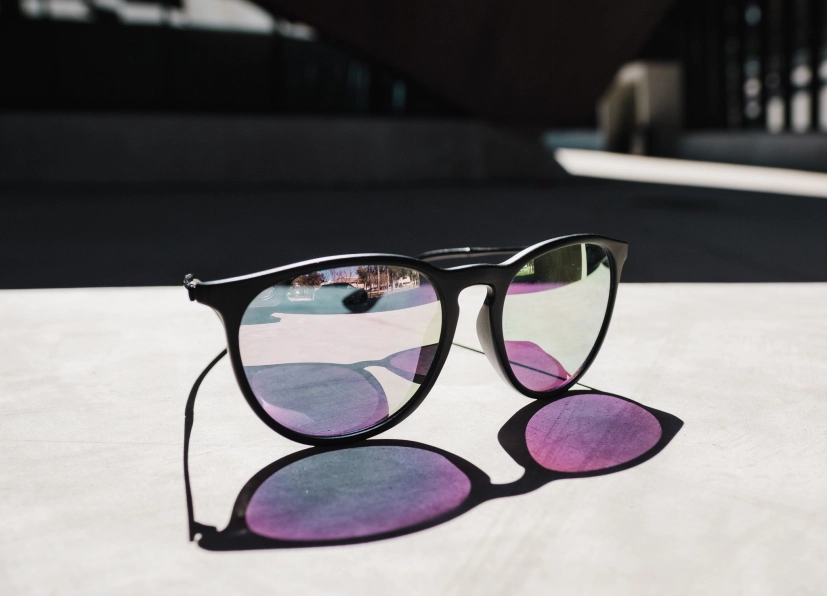
Pemilihan lensa tidak boleh dianggap sebagai keputusan aksesori kecil. Pemilihan lensa menentukan bagaimana produk tersebut dijual, berapa banyak margin keuntungan yang dapat diperoleh merek, dan apakah pengguna akhir merasa kacamata tersebut "layak" setelah memakainya selama beberapa hari.
Bingkai kacamata menarik perhatian pertama kali. Itu benar. Bentuk, warna, rasa engsel, posisi logo, semua detail ini penting. Tetapi setelah sampel produksi sampai ke kantor pembeli, diskusi biasanya dengan cepat beralih ke lensa. Apakah lensa hanya untuk perlindungan matahari dasar? Apakah lensa ini cocok untuk mengemudi? Dapatkah lensa ini digunakan di dalam dan di luar ruangan tanpa mengganti kacamata? Di sinilah perbedaan antara lensa UV400, lensa terpolarisasi, dan lensa fotokromik menjadi lebih dari sekadar kata-kata teknis pada lembar spesifikasi produk.
Banyak pembeli meminta "lensa yang bagus" di awal. Kedengarannya sederhana, tetapi dalam pekerjaan produksi nyata, "bagus" memiliki arti yang berbeda untuk pasar yang berbeda.
Lini kacamata hitam modis yang dijual di toko-toko pantai tidak memerlukan rencana lensa yang sama dengan koleksi kacamata untuk berkendara. Bingkai optik yang berfokus pada perjalanan juga memiliki logika yang berbeda. Beberapa pelanggan peduli dengan silau. Beberapa hanya peduli apakah kacamata hitam tersebut terlihat bagus dalam foto. Beberapa mengenakan satu pasang kacamata dari cahaya pagi di kantor hingga pertemuan di luar ruangan pada siang hari.
Itulah mengapa jenis lensa untuk kacamata hitam harus diputuskan sebelum pemesanan sampel, bukan setelah cetakan bingkai dan kartu warna sudah ditetapkan.
Untuk penjualan ritel sehari-hari, lensa UV400 biasanya menjadi standar yang aman. Lensa ini memberikan klaim perlindungan yang jelas pada produk dan menjaga biaya tetap terkendali. Untuk banyak kacamata hitam kelas pemula dan menengah, ini sudah cukup.
Di pabrik, pesanan seperti ini umum terjadi: pembeli menginginkan enam warna bingkai, tiga warna lensa, jumlah pesanan minimum (MOQ) yang moderat, dan pengambilan sampel yang cepat. Dalam hal ini, lensa UV400 membantu menjaga proyek tetap sederhana. Risiko lebih rendah. Perhitungan harga lebih mudah. Perencanaan stok lebih mudah.
Namun, sederhana bukan berarti berkualitas rendah. Bagi banyak pasar, kacamata hitam tanpa perlindungan UV400 sama sekali tidak layak untuk dikembangkan.
Lensa UV400 Menghalangi sinar UVA dan UVB hingga 400nm. Dalam bahasa pembeli, itu berarti perlindungan UV penuh dasar. Ini bukan fitur paling premium, tetapi ini adalah fitur minimal yang diharapkan pelanggan.
Hal ini penting karena banyak konsumen tidak dapat menilai kualitas lensa secara langsung. Mereka dapat memeriksa labelnya. Mereka dapat membaca halaman produk. Mereka mungkin bertanya apakah kacamata hitam tersebut melindungi mata mereka. UV400 memberikan jawaban langsung.

Lensa UV400 cocok untuk:
Sebuah pengamatan kecil dari ulasan sampel: pembeli sering menghabiskan waktu lama membandingkan warna lensa, tetapi ketika laporan uji UV400 tidak ada, diskusi berhenti. Bukan karena lensa terlihat buruk. Tetapi karena tim penjualan tidak memiliki klaim keamanan untuk digunakan.
Untuk Susan Untuk proyek kacamata OEM/ODM, UV400 biasanya direkomendasikan sebagai standar lensa dasar untuk kacamata hitam kecuali jika pembeli memiliki rencana promosi berbiaya rendah yang sangat spesifik. Meskipun demikian, mengabaikan perlindungan bukanlah keputusan yang baik dalam jangka panjang.
Hal ini seringkali disalahpahami. Lensa terpolarisasi bukan hanya berarti perlindungan UV yang lebih baik. Fungsi utamanya adalah mengurangi silau.
Perbedaan itu penting.
A lensa terpolarisasi Mengurangi pantulan cahaya dari jalan, air, jendela mobil, salju, dan permukaan datar lainnya. Pemakai tidak hanya merasa "lebih gelap." Pandangan terasa lebih jernih. Tidak terlalu menyilaukan. Lebih stabil. Untuk produk berkendara dan aktivitas luar ruangan, ini adalah nilai jual yang jauh lebih kuat daripada sekadar mengatakan lensa itu gelap.
Untuk kacamata hitam luar ruangan, jawaban yang lebih baik seringkali adalah UV400 + polarisasi. UV400 memberikan perlindungan UV. Polarisasi mengurangi silau.
Salah satu contoh umum adalah kacamata hitam untuk mengemudi. Lensa UV400 gelap biasa dapat mengurangi kecerahan, tetapi pantulan jalan masih dapat mengganggu pemakainya. Lensa terpolarisasi membuat pemandangan itu lebih mudah dijelaskan. Ketika pelanggan mengemudi di bawah sinar matahari siang, melihat permukaan jalan yang basah, atau melewati gedung-gedung kaca, perbedaannya menjadi terlihat jelas.
Lensa terpolarisasi sangat berguna untuk:
Ada satu hal yang perlu diperiksa selama pengambilan sampel: tidak setiap gaya bingkai secara otomatis harus menggunakan lensa terpolarisasi. Bingkai yang sangat melengkung, warna lensa tertentu, atau layar tampilan dalam beberapa kasus penggunaan mungkin memerlukan evaluasi tambahan. Tes lensa singkat selama tahap pengambilan sampel dapat menghindari keluhan di kemudian hari.
Lensa fotokromik Warna berubah sesuai dengan kondisi pencahayaan. Di dalam ruangan, warnanya tetap lebih terang. Di luar ruangan, warnanya menjadi lebih gelap karena paparan sinar UV.
Fungsi ini terdengar sederhana, tetapi pengalaman penggunanya cukup praktis. Dari kantor ke jalan. Dari tempat parkir ke bandara. Dari lobi hotel ke kafe luar ruangan. Bagi orang yang tidak ingin berganti-ganti antara kacamata optik dan kacamata hitam, lensa fotokromik sangatlah masuk akal.
Lensa-lensa tersebut tidak selalu menjadi pilihan termurah. Sebenarnya, lensa-lensa tersebut tidak seharusnya dipasarkan sebagai peningkatan lensa yang murah. Lensa-lensa tersebut lebih efektif ketika merek ingin membangun lini produk multifungsi atau gaya hidup.
Ya, terutama untuk pengguna yang bepergian dan melakukan perjalanan harian. Pelanggan ini sering berpindah antara ruang dalam dan luar ruangan berkali-kali dalam sehari. Lensa yang dapat menyesuaikan diri secara otomatis terasa nyaman.
Bagi merek kacamata optik, lensa fotokromik juga dapat membantu meningkatkan nilai produk tanpa mengubah bingkai secara drastis. Bingkai dapat tetap terlihat bersih dan profesional, sementara lensa menambahkan perbedaan fungsional yang sebenarnya.
Saat memeriksa sampel, dua hal perlu diperhatikan: kecepatan penggelapan dan kecepatan pemudaran. Pembeli tidak hanya perlu melihat warna tergelap. Perasaan transisi juga penting. Jika lensa menjadi gelap tetapi membutuhkan waktu terlalu lama untuk kembali jernih di dalam ruangan, beberapa pengguna mungkin akan mengeluh.

Tabel perbandingan biasanya lebih bermanfaat daripada penjelasan teknis yang panjang. Pembeli dapat melihat arah penjualan lebih cepat.
| Jenis Lensa | Fungsi Utama | Lebih Baik Untuk | Keunggulan Penjualan | Kesesuaian Merek Umum |
| Lensa UV400 | Menghalangi sinar UVA dan UVB hingga 400nm | Kacamata hitam harian | Perlindungan mata dasar | Fesyen, pasar massal, lini promosi |
| Lensa yang dipolarisasi | Mengurangi pantulan cahaya | Mengemudi, memancing, aktivitas luar ruangan | Penglihatan yang lebih jernih dan nyaman. | Kacamata hitam premium untuk olahraga dan aktivitas luar ruangan. |
| Lensa fotokromik | Warnanya berubah di bawah sinar UV. | Perjalanan pulang pergi, bepergian, kacamata optik | Satu pasang untuk penggunaan di dalam dan luar ruangan. | Gaya hidup, bisnis, kacamata multifungsi |
Tabel ini bukan berarti satu lensa lebih baik daripada lensa lainnya. Artinya, setiap lensa memiliki pasar penjualannya masing-masing.
Target pasar pembeli seharusnya yang menentukan lensa yang akan dipilih, bukan hanya harga per unitnya.
Untuk kacamata hitam fashion, lensa UV400 dengan desain bingkai yang bagus biasanya sudah cukup memadai. Pelanggan mencari gaya, warna, kesesuaian bentuk wajah, dan harga jual yang wajar. Terlalu banyak fitur dapat membuat harga melebihi kisaran yang direncanakan.
Untuk kacamata hitam luar ruangan atau olahraga, lensa UV400 + terpolarisasi biasanya merupakan pilihan yang lebih baik. Kombinasi ini memberikan perlindungan dan kenyamanan visual. Selain itu, ini juga memberikan cerita yang lebih jelas untuk disampaikan oleh tim penjualan.
Untuk perjalanan sehari-hari, bepergian, dan kacamata, lensa fotokromik layak dicoba. Lensa ini memberikan nilai lebih pada produk untuk penggunaan sehari-hari. Pembeli dapat memposisikan bingkai tersebut sebagai sesuatu yang praktis, bukan hanya dekoratif.
Pengambilan sampel lensa tidak boleh berhenti hanya pada "terlihat bagus." Beberapa pengecekan dapat mencegah banyak masalah kecil di kemudian hari.
Poin-poin pentingnya meliputi:
Lensa mungkin tampak baik-baik saja di atas meja tetapi berperilaku berbeda di luar ruangan. Itulah mengapa pengujian di luar ruangan masih bermanfaat. Bahkan pemeriksaan singkat di dekat jalan, pantulan jendela, atau sinar matahari langsung dapat menunjukkan detail yang tersembunyi oleh pencahayaan dalam ruangan.
SUSON bekerja sama dengan pembeli kacamata hitam dan kacamata optik dalam hal desain bingkai, pencocokan lensa, pengembangan warna, kustomisasi logo, pengemasan, dan produksi sampel.
Bagi pembeli yang masih membandingkan UV400 vs lensa terpolarisasi atau mempertimbangkan lensa fotokromik, cara praktisnya adalah dengan memulai dari pelanggan sasaran. Ritel fesyen, olahraga luar ruangan, perjalanan, transportasi umum, toko optik — setiap saluran membutuhkan logika lensa yang berbeda.
Beri tahu kami target pasar, kisaran harga ritel, dan arah produk. Tim dapat merekomendasikan kombinasi lensa yang sesuai dan menyiapkan paket sampel untuk pengujian sebelum produksi massal.
Pertanyaan 1: Apakah lensa UV400 cukup untuk kacamata hitam?
Untuk kacamata hitam sehari-hari, lensa UV400 biasanya sudah cukup untuk perlindungan UV dasar. Untuk berkendara atau olahraga luar ruangan, lensa terpolarisasi dapat memberikan kenyamanan visual yang lebih baik.
Pertanyaan 2: Apakah lensa terpolarisasi selalu lebih baik daripada lensa UV400?
Tidak. Lensa terpolarisasi mengurangi silau, sedangkan lensa UV400 memblokir sinar UV. Banyak kacamata hitam berkualitas menggunakan kedua fungsi tersebut secara bersamaan.
Q3: Apakah lensa fotokromik dapat menggantikan kacamata hitam?
Tidak selalu. Lensa fotokromik memang nyaman untuk kondisi pencahayaan yang berubah-ubah, tetapi beberapa pengguna tetap lebih memilih kacamata hitam khusus untuk menghadapi sinar matahari yang terik di luar ruangan.
Pertanyaan 4: Jenis lensa apa yang terbaik untuk kacamata hitam merek pribadi?
Lensa UV400 adalah titik awal yang aman untuk sebagian besar kacamata hitam merek pribadi. Untuk lini olahraga atau aktivitas luar ruangan, dapat mempertimbangkan lensa UV400 + lensa terpolarisasi.
Q5: Bisakah SUSON menyediakan sampel lensa sebelum produksi massal?
Ya. SUSON dapat menyiapkan sampel lensa dan bingkai berdasarkan pasar sasaran pembeli, arahan desain, dan persyaratan OEM/ODM.