
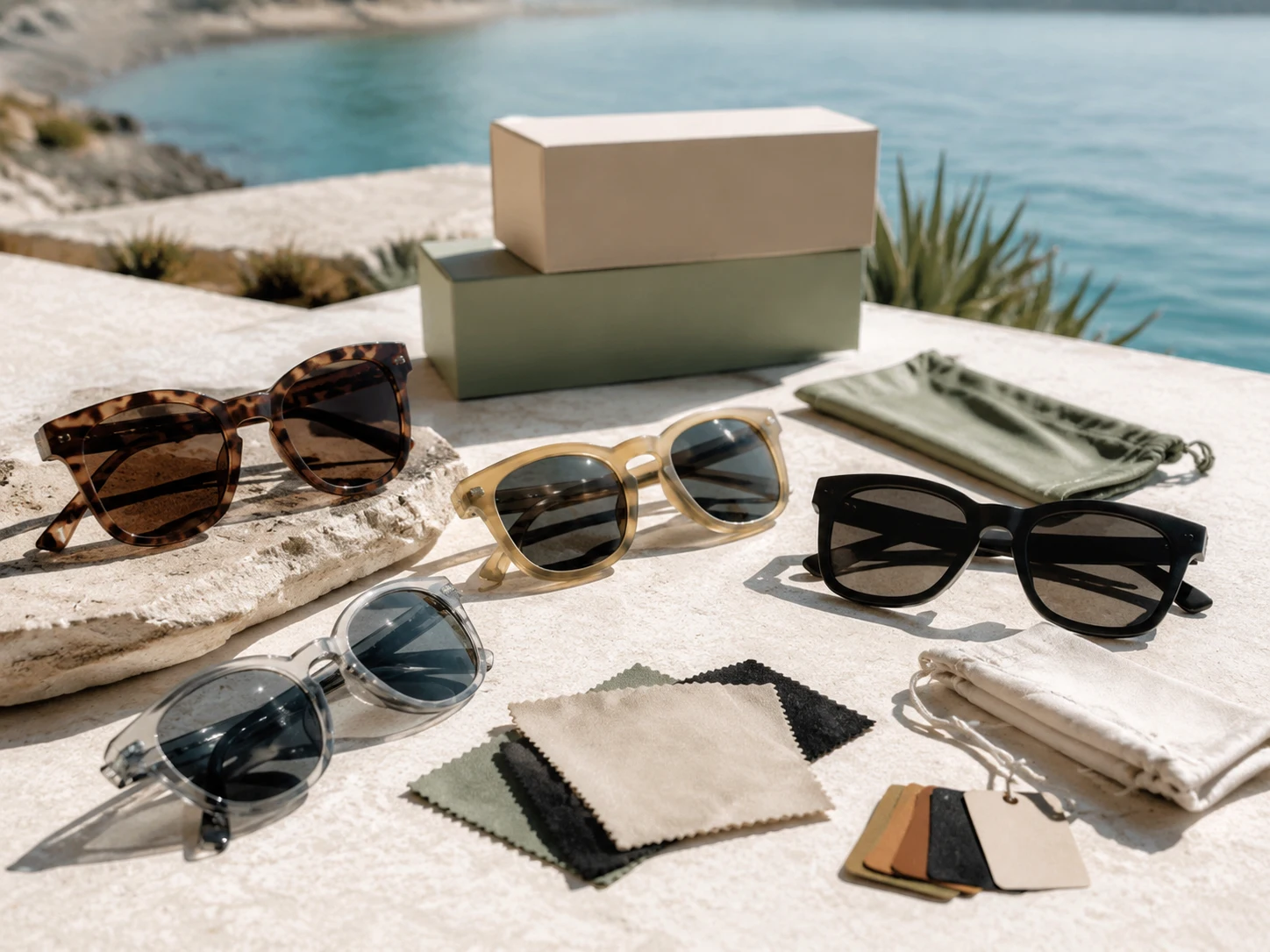
People around the world want eyewear that looks good and works well. At the same time, they see them as vital tools for eye safety. Better lens materials are driving this market growth. New UV protection technologies also play a big part. Shoppers might feel a link to your specific logo. They might also like your unique packaging or color choices. This creates a deeper emotional bond. As a result, brand loyalty goes up, and customer value lasts much longer.
A solid supply chain is very important. Together, these systems make sure every pair of private label sunglasses hits the right mark. Many companies share stories through social media efforts. These active brands usually do better than businesses that only use old-school ads. Growing your name on the internet brings more views.
Are you selling to office workers who like simple elegance? Or are you looking for outdoor fans who need tough gear? Your choice of audience will guide your materials and your price tags.
Your price must match the quality. Using premium materials like titanium or acetate allows you to charge more, especially when the work is detailed. Once you pick a group, decide on a style. You could go for a clean, minimal look, a sporty vibe, or something bold and artistic. Your choice will lead you to different ways to sell:
This positioning is the bedrock for every choice you make later.
Once your niche is set, pick your base models. Look for trusted white label glasses suppliers like SUSON. Look at different frame shapes like round, square, or aviator. Check materials such as metal, acetate, or TR90. You should also look at different lens options that fit what your buyers like. Always buy samples first. Wear them or give them to friends to test. You need honest notes on how they feel and how well the lenses work before you start a big production run.
After you pick the frames, use personalization to turn basic items into a real brand.
Laser engraving is a great choice for metal or acetate arms. It creates sharp lines that stay visible for years. If you are on a tight budget, silk screen or pad printing is cheaper. These methods work well for logos on the inside of the frame or on the box. For a luxury feel, consider metal badge inlays. They look very high-end but usually require a larger order and extra fees for molds.
Changing the color can change the whole mood of the product. You might want matte black for a classic look or clear pastels for a summer vibe. Keep in mind that custom colors often require you to buy at least 500 pairs. Many new owners start with the popular colors the supplier already has in stock. Generally, existing stock products are in classic or best-selling colors.

The box tells a story before the customer even sees the glasses:
The lens is where the tech happens:
Tip: First, clarify the minimum order quantity (MOQ) for each customization option. Generally, for in-stock items, only logo printing is required, with a minimum order of 50 sets. Custom packaging requires a minimum order of 500 sets. Allocate your budget accordingly.
Before you start the big factory run, test your samples hard. Check how they fit, test the hinges under pressure, and look through the lenses in different lights. Make sure the finish is smooth on every pair. Ask your testers for honest feedback. Small changes at this point save you from expensive mistakes later.
Tip: Only place a bulk order after you are satisfied with the sample; do not skip this step.
How long production takes depends on the materials you use:
| Material Type | Average Cycle (Days) |
| Metal Injection-Molded Frames | 30–60 |
| Acetate Frames / Titanium Frames | 75–90 |
Plan your timing carefully. You want your stock to arrive just before the summer shopping peak.
Quality checks must happen at every stage:
Keeping quality steady across all batches protects your reputation with your customers.
Good shipping plans prevent delays. Get your export papers ready early. This includes the invoice, packing list, HS code, and origin certificate. Make sure your goods follow the rules of the country where you are selling. You might need CE marks for Europe or FDA registration for the U.S.
If you miss these, customs might stop your shipment. Your packaging should be ready for the shelf, and you should have your marketing materials, like lookbooks or QR codes, ready to go.
For new projects and clients who haven’t yet familiarized themselves with import procedures, we recommend choosing CIF terms, with the supplier arranging door-to-door shipping. Therefore, finding a supplier who can provide one-stop service is especially important in the initial stages.
| Shipment Size | Recommended Method | Typical Transit Time | Main Advantage |
| Under 50 kg | DHL/FedEx express | 5–8 days | Fast, door-to-door |
| 50–200 kg | Air freight | 8–14 days | Balanced speed and cost |
| Over 200 kg | LCL sea freight | 25–35 days | Cheaper for big loads |
While shipping, finalize your photos, web descriptions, and social posts. A great product needs a strong entrance.
Your 2026 summer launch should be visual and simple. People want to see the glasses in action. Post short clips, lifestyle photos, and close-ups. Show how the frames look on different faces. Mention UV400, polarized lenses, or how light they feel. These details help people decide to buy.
Watch the feedback after you launch. Which color sells out? Which style gets the most questions? Use this info to plan your next order. Each order is a chance to learn. Your first collection starts the brand. Your second one should be even better.
Starting a private label sunglasses brand is possible if you stay organized. Focus on your audience, use proven white label styles, add unique details, and keep a close eye on quality. SUSON is here to help with professional OEM/ODM eyewear solutions. We handle everything from design to mass production for the 2026 market. Contact us for a free talk about your brand and get your collection ready for the summer sun.
Q1: How much does it cost to start a private label sunglasses brand?
A: It depends on your quantity, the materials you pick, and how much you customize the packaging.
Q2: What is the best lens for summer sunglasses?
A: UV400 is a requirement. Polarized lenses are also a top choice for the beach and driving.
Q3: Can I start a sunglasses brand with existing frame styles?
A: Yes. Many brands pick white label frames and add their own logos, colors, and lenses.
Q4: How long does sunglasses production usually take?
A: Basic metal styles take 30–60 days. Acetate or titanium often takes 75–90 days.
Q5: What should I check before approving sunglasses samples?
A: Test the comfort, hinge strength, lens clarity, and the logo placement to ensure everything is perfect.