
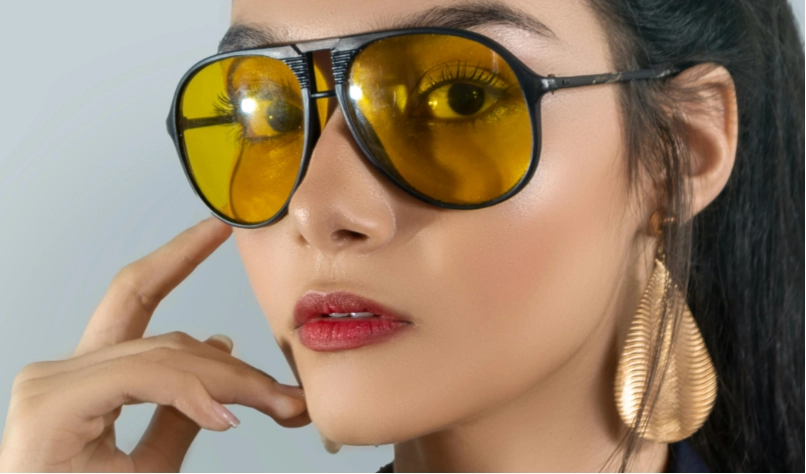
When folks wonder if sunglasses can have a “grade,” they’re mainly trying to figure out the difference between low-cost fashion shades and expert eyewear that really safeguards your eyes. The simple answer is yes. Солнцезащитные очки can be ranked based on quality, how they function, and if they follow safety rules. Knowing what these ranks mean allows you to select sunglasses that look nice and provide actual optical safety. This works no matter if you like cat eye sun glasses, rectangle eye glasses, or round style glasses.
Before we jump into tech facts, it helps to explain that the word “grade” in eyewear doesn’t always stand for the same idea in every item.
In sunglasses, “grade” usually means the degree of optical sharpness, UV blocking, and material toughness. This is different from prescription lenses. There, grade often refers to the power that corrects sight. But sunglasses ranking centers on function traits like lens clearness, UV blocking ability, and frame skill. A top-rank pair normally gives vision without bends and follows worldwide safety rules.
In comparison, for regular eyeglasses or reading glasses, ranking could include diopter power or lens covering quality. So, a set of rectangle eye glasses might get ranked by how exact the prescription is. Yet, sunglasses get ranked by how well they guard your eyes and keep sight comfy in the sun.
Various areas use varied ranking systems for sunglasses. For example:
These setups check items such as UV passage, lens type (from 0 to 4), and optical bends. Buyers gain because ranks help compare sunglasses fairly. You don’t need to depend only on ad promises.
Ranking links closely to industry approvals that check if things meet safety laws. These approvals make sure your sunglasses work as said in daily situations.
Main groups that control sunglass rules include:
Approved sunglasses have to pass lab checks for UV blocking, hit toughness, and optical rightness. Approval tags like “УФ 400” or “CE” aren’t just pretty. They show following of strict safety needs known everywhere.
You will often see tags like “UV400,” “Polarized,” or “Category 3” on top-rank sunglasses. Here is what they mean:
| Label | Meaning | Ideal Use |
| УФ 400 | Blocks all UVA/UVB rays up to 400 nm | Everyday outdoor wear |
| Category 2–3 | Medium to strong sunlight protection | Beach or driving |
| Polarized | Reduces glare from reflective surfaces | Water sports or driving |
Grasping these tags aids you in picking the correct pair for your way of life. That might be slim cat eye sun glasses for relaxed use or sturdy polarized lenses for outside tasks.

A number of elements together set a sunglass’s rank. They go from materials to optical function.
Top-rank lenses are usually built from polycarbonate, CR-39 plastic, or mineral glass. Each offers special perks:
Lens coverings such as anti-reflective or water-hating layers boost quality more. They better the clearness and fight dirt marks.
UV blocking is probably the key ranking element. Sunglasses tagged “UV400” stop almost 100% of UVA and UVB rays. This is vital to stop long-term eye harm like cataracts or macular degeneration. To confirm UV blocking levels:
Frame building strongly affects both ease and lasting time. Fine frames use materials like acetate, titanium, stainless steel, or TR90 nylon mixes. Hints of better skill include:
Optical clearness decides how natural you view through your lenses. Top-rank sunglasses lessen color splits (chromatic aberration) and shape bends. Low-quality lenses could bring dizziness or fuzzy sides after long use. That is a plain sign they drop under pro-rank levels.
After you get what sets rank, spotting the best sunglasses turns much simpler.
When checking build quality:
For custom projects like those produced by СУСОН’s factories, clients often specify material combinations that meet both design aesthetics and durability targets.
Look past color when judging lenses:
Labels should clearly list these features along with UV protection data; vague claims like “blocks harmful rays” aren’t enough proof of grade.
Buyer reviews show everyday toughness facts that lab tests might overlook. This is especially true for scratch toughness or ease during long wear. Expert reviews from opticians or eyewear papers often note small gaps in optical function between styles in close price groups.
Lots of shoppers wrongly link price to rank. But cost alone doesn’t assure function. Some cheap brands provide approved UV400 blocking with good materials like TR90 plastic frames. Another false belief is that darker lenses right away mean stronger safety. Tint strength changes light cut but not UV blocking power.
Sales words such as “HD vision,” unless supported by approval facts, are mostly ad talk. They aren’t real tech signs of rank. Always count on checked details over just visual charm when selecting between types like round style glasses versus pointy designs.
SUSON stands out in this field as a manufacturer specializing in designing, producing, and exporting both sunglasses and optical eyewear globally. With deep experience in customization services, SUSON ensures each product—from elegant cat-eye silhouettes to modern rectangular frames—meets international standards while reflecting brand-specific design identities. For businesses seeking reliable supply chains combined with premium craftsmanship assurance, collaborating with SUSON can elevate product lines into truly high-grade eyewear collections trusted worldwide.
It indicates complete protection against both UVA and UVB rays up to 400 nanometers wavelength.
Not always—they reduce glare effectively but may distort LCD screens; ideal mainly for outdoor sports or driving.
Check certification marks (CE/ANSI), inspect logo engraving consistency, and buy only from authorized retailers.
No; certification matters more than price tag—some mid-range models meet identical protective standards as luxury ones.
Absolutely—style doesn’t compromise function when certified materials and tested lenses are used properly.