
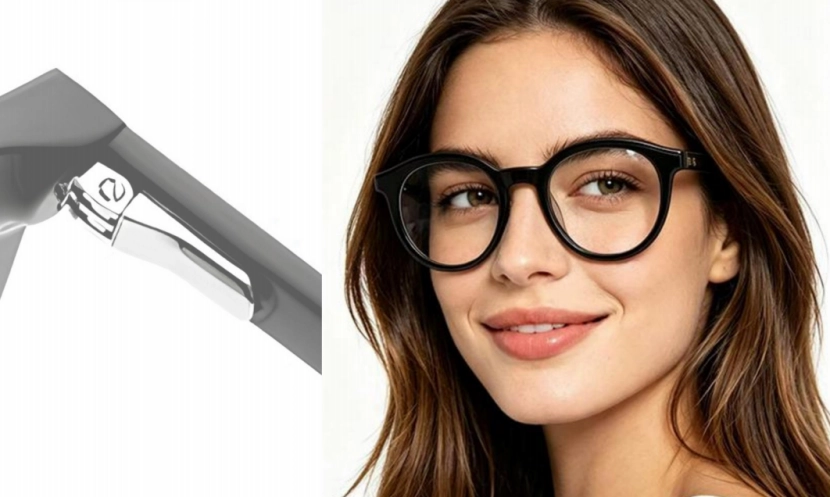
Oprawka na receptę to niewielki produkt o długim okresie zgodności. Zespoły koncentrują się na wyczuciu zawiasu, kształcie oprawki, kolorze powłoki i wyglądzie próbki. Dostęp do rynku może nastąpić dopiero po zapakowaniu kartonów i poproszeniu o deklarację lub ważny raport.
Zgodność powinna zostać osiągnięta w specyfikacji przed użyciem narzędzi.
Oprawka korekcyjna to nieszkliwiona oprawka przeznaczona do mocowania soczewek korekcyjnych. Kategoria ta obejmuje oprawki pełne, półramkowe, bezramkowe, składane, drukowane w technologii 3D oraz wykonane z materiałów naturalnych.
Okulary przeciwsłoneczne Plano, okulary ochronne, soczewki korekcyjne i gotowe okulary do czytania mogą być różne. Nawet soczewki przeciwsłoneczne na klips mogą zmienić zakres. Określ przeznaczenie, zanim zapytasz, która norma ma zastosowanie.
W przypadku zaopatrzenia międzynarodowego norma ISO 12870 stanowi praktyczną podstawę. Zapewnia ona nabywcy, fabryce i laboratorium wspólny punkt odniesienia. Nie zastępuje jednak prawa krajowego.
Norma ISO 12870:2024 określa wymagania i metody badań dla oprawek bezszkliwnych przeznaczonych do soczewek korekcyjnych. Jej zakres obejmuje produkowane masowo oprawki pełne, półramkowe, bezramkowe, składane, wytwarzane metodą addytywną oraz z materiałów naturalnych.
Kluczową kwestią jest to, czy badana próbka jest zgodna z zamówieniem. Cienka warstwa octanu wokół drucika, lutowany mostek lub powłoka w pobliżu punktu zgięcia mogą wpłynąć na wydajność. Oprawka może wyglądać idealnie, ale nadal zachowywać się nieprawidłowo podczas szkiełkowania.
„Test zgodny z ISO 12870” jest niekompletny. Normy zostały zrewidowane, a laboratoria i dostawcy mogą nadal korzystać ze starszych szablonów.
Zamówienie powinno określać:
Rama platerowana i wersja niepowlekana nie są automatycznie tą samą rodziną testów.

Trasa w USA jest często nazywana łatwą, ponieważ zwykłe oprawki okularów są zazwyczaj zwolnione z obowiązku zgłaszania ich przed wprowadzeniem do obrotu. „Łatwe” to złe słowo. Oprawka nadal znajduje się w systemie urządzeń medycznych FDA.
Tak. Zgodnie z 21 CFR 886.5842, oprawka okularowa jest urządzeniem klasy I przeznaczonym do mocowania soczewek korekcyjnych. Jest ona zasadniczo zwolniona z przepisów 510(k), z zastrzeżeniem ograniczeń wynikających z rozporządzenia.
Przydatne pytanie dotyczące zaopatrzenia brzmi: kto jest legalnym producentem? Fabryka, właściciel marki i importer mogą mieć różne obowiązki.
Wymagania mogą obejmować rejestrację zakładu, sporządzanie wykazu urządzeń, posiadanie przedstawiciela w USA dla zagranicznych producentów, kontrolę etykietowania, obsługę reklamacji, sprawozdawczość i zgodność z systemem jakości.
Rozporządzenie w sprawie systemu zarządzania jakością weszło w życie 2 lutego 2026 r. Zmieniło ono część 820 tytułu 21 CFR i włączyło normę ISO 13485:2016 poprzez odniesienie, dodając wymogi FDA.
Certyfikat na ścianie jest mniej wiarygodny niż kontrola zmian. Wraz ze zmianą dostawcy zawiasów, zestawienie materiałów, kryteria kontroli i dowody z testów powinny się zmienić.
Wymagania dotyczące odporności na uderzenia określone w 21 CFR 801.410 dotyczą soczewek okularowych i okularów przeciwsłonecznych, a nie pustych oprawek okularowych. FDA stwierdza, że soczewki sprzedawane w USA muszą spełniać przepisy dotyczące odporności na uderzenia i posiadać certyfikat zgodności.
Aby zapewnić pełną ochronę oczu, oprawka i soczewki pozostają ze sobą połączone. Mocna oprawka nie kompensuje braku certyfikowanych soczewek.
W UE oprawki okularów korekcyjnych są wyrobami medycznymi klasy I. Przeznaczenie, klasyfikacja, dokumentacja techniczna, etykietowanie, identyfikowalność i kontrole po wprowadzeniu do obrotu muszą wskazywać na ten sam produkt.
Zwykłe, niesterylne, niemierzalne ramy klasy I zazwyczaj podlegają samoocenie producenta zgodnie z rozporządzeniem w sprawie wyrobów medycznych. Producent przygotowuje dokumentację techniczną, wystawia deklarację zgodności UE i stosuje znak CE. Jednostka notyfikowana zazwyczaj nie jest zaangażowana w ten proces.
Oznakowanie CE nie jest certyfikatem laboratoryjnym. Jest to deklaracja producenta, poparta dokumentacją techniczną.

Producent spoza UE potrzebuje Autoryzowanego Przedstawiciela UE. Importer musi zweryfikować kluczowe elementy zgodności przed wprowadzeniem ramy do obrotu. Identyfikacja, etykietowanie, proces reklamacji, identyfikowalność i nadzór po wprowadzeniu produktu na rynek powinny zostać zlecone na piśmie.
UDI również wymaga uwagi. Wytyczne UE zrewidowane w marcu 2026 r. obejmują główne UDI-DI dla oprawek okularowych. Przepisy obowiązują od 1 listopada 2028 r., ale ustalenia EUDAMED nadal wymagają monitorowania.
Stara szata graficzna etykiet nie jest strategią zgodności.
Nie. Raport ISO 12870 może stanowić uzupełnienie dokumentacji technicznej, ale nie zastępuje klasyfikacji, zarządzania ryzykiem, przeglądu etykiet, planowania po wprowadzeniu do obrotu ani Deklaracji Zgodności.
Zakres raportu ma znaczenie. Nazwa modelu na pierwszej stronie jest mniej istotna niż przetestowana konstrukcja, materiał, wykończenie i zakres rozmiarów. Dowody, których nie można powiązać z aktualnym zestawieniem materiałów, są słabe.
Rynki mają wspólne kwestie techniczne, ale ich dokumentacja nie jest wymienna.
| Temat zgodności | Stany Zjednoczone | Unia Europejska |
| Status regulacyjny | Urządzenie klasy I FDA | Urządzenie MDR klasy I |
| Trasa przed wprowadzeniem na rynek | Generalnie zwolnione z podatku 510(k) | Zwykle samoocena |
| Rekordy podstawowe | Rejestracja, umieszczenie na liście, agent w USA, jeśli ma to zastosowanie | Dokumentacja techniczna, Deklaracja, Znak CE, Przedstawiciel UE |
| Kontrole jakości | FDA QMSR | Procesy zarządzania jakością MDR |
| Śledzenie | Kontrola urządzeń FDA | Kontrola operatora, UDI i EUDAMED |
„Model przeszedł testy w UE, więc Stany Zjednoczone są objęte testem” to niepełna odpowiedź.
Zapytanie powinno być dopasowane do produktu i rynku. Więcej plików niekoniecznie oznacza lepiej. Odpowiednie pliki są.
Przydatna kontrola fabryczna: wybierz jeden karton i prześledź go do partii materiału, protokołu kontroli i zatwierdzonej próbki. Konfliktujące arkusze kalkulacyjne oznaczają, że plik zgodności nie jest gotowy.
Wiarygodna specyfikacja określa rynek, przeznaczenie, wersję standardową, materiały, wykończenie, wymiary krytyczne, punkty kontroli, wymaganą dokumentację i czynniki wyzwalające kontrolę zmian.
W przypadku programu OEM/ODM Suson Można przejrzeć te dane wejściowe przed pobraniem próbek i dostosować zapisy dotyczące rozwoju, testowania, kontroli produkcji i zgodności z tą samą definicją produktu. Jest to bezpieczniejsze niż testowanie „reprezentatywnego modelu” po zapakowaniu.
Pytanie: Czy norma ISO 12870 jest obowiązkowa dla każdej oprawki okularów korekcyjnych?
Nie automatycznie. Może to być wymagane na mocy przepisów krajowych, strategii zgodności lub umowy kupna.
Pytanie: Czy struktura zwolniona z podatku 510(k) nadal wymaga kontroli FDA?
Tak. Zwolnienie z obowiązku rozliczania się z planu 510(k) nie zwalnia z innych obowiązków FDA, które mogą mieć zastosowanie.
Pytanie: Czy jeden raport może obejmować kilka kolorów i rozmiarów?
Czasami. Grupowanie wymaga uzasadnienia technicznego, ponieważ materiał, powłoka, geometria, konstrukcja zawiasów i rozmiar mogą wpływać na wydajność.
Pytanie: Czy oznakowanie CE stanowi dowód, że każda partia została sprawdzona?
Nie. Kontrola partii i identyfikowalność pozostają w gestii kontroli produkcji.