
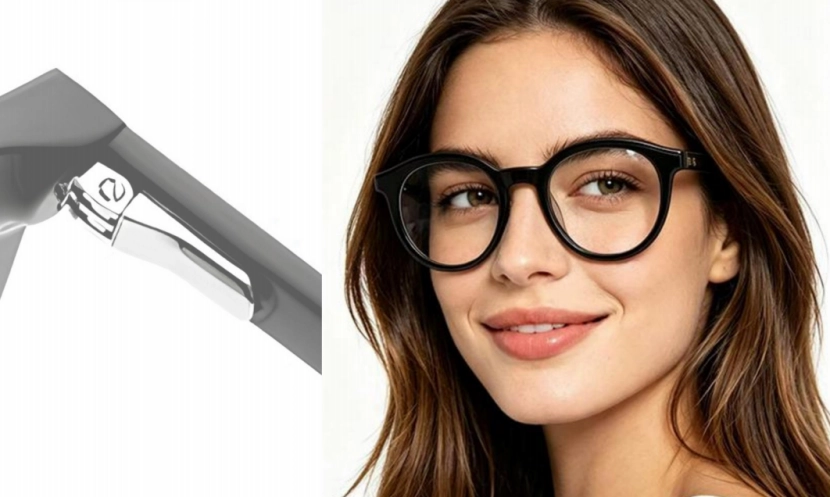
Una montatura per occhiali da vista è un piccolo prodotto con un lungo iter di conformità. I team si concentrano sulla sensazione al tatto delle cerniere, sulla forma del bordo, sul colore della placcatura e sull'aspetto del campione. L'accesso al mercato potrebbe concretizzarsi solo quando le confezioni saranno pronte e qualcuno richiederà una dichiarazione o un rapporto valido.
La conformità deve essere definita nelle specifiche prima ancora della realizzazione degli stampi.
Una montatura da vista è una montatura senza lenti graduate, progettata per ospitare lenti correttive. La categoria comprende montature a cerchio completo, semi-cerchiate, senza montatura, pieghevoli, stampate in 3D e realizzate con materiali naturali.
Gli occhiali da sole neutri, gli occhiali protettivi, le lenti graduate e gli occhiali da lettura preconfezionati possono seguire percorsi diversi. Anche una lente da sole a clip può cambiare l'ambito di applicazione. Definisci l'uso previsto prima di chiedere quale standard si applica.
Per gli approvvigionamenti internazionali, la norma ISO 12870 rappresenta il punto di riferimento pratico. Fornisce all'acquirente, alla fabbrica e al laboratorio un riferimento comune. Non sostituisce la legislazione nazionale.
La norma ISO 12870:2024 specifica i requisiti e i metodi di prova per le montature senza lenti graduate. Il suo ambito di applicazione comprende montature prodotte in serie con bordo completo, semi-cerchiate, senza montatura, pieghevoli, realizzate con tecniche di produzione additiva e in materiali naturali.
La questione fondamentale è se il campione testato sia rappresentativo dell'ordine. Un sottile strato di acetato attorno al filo metallico, un ponte saldato o una placcatura in prossimità di un punto di flessione possono alterare le prestazioni. Una montatura può sembrare perfetta eppure comportarsi male durante la vetratura.
La "Conformità alla norma ISO 12870" è incompleta. Gli standard vengono rivisti, mentre laboratori e fornitori potrebbero continuare a utilizzare modelli obsoleti.
L'ordine di acquisto deve indicare:
Una cornice placcata e una versione non rivestita non appartengono automaticamente alla stessa famiglia di test.

La procedura statunitense viene spesso definita semplice perché le normali montature per occhiali sono generalmente esenti dall'obbligo di notifica pre-commercializzazione. Tuttavia, "semplice" non è il termine corretto. La montatura è comunque soggetta alla normativa FDA sui dispositivi medici.
Sì. Ai sensi del 21 CFR 886.5842, una montatura per occhiali è un dispositivo di Classe I destinato a contenere lenti graduate. È generalmente esente dalla procedura 510(k), fatte salve le limitazioni previste dalla normativa.
La domanda fondamentale da porsi in fase di approvvigionamento è: chi è il produttore legale? La fabbrica, il proprietario del marchio e l'importatore possono avere responsabilità diverse.
I requisiti possono includere la registrazione dello stabilimento, l'inserimento dei dispositivi nell'elenco, la nomina di un agente statunitense per i produttori esteri, i controlli sull'etichettatura, la gestione dei reclami, la rendicontazione e la conformità al sistema di qualità.
Il regolamento sul sistema di gestione della qualità è entrato in vigore il 2 febbraio 2026. Ha modificato la parte 820 del titolo 21 del Codice dei regolamenti federali (21 CFR) e incorpora per riferimento la norma ISO 13485:2016, con l'aggiunta di requisiti della FDA.
Un certificato affisso al muro è meno esaustivo di un sistema di gestione delle modifiche. Quando cambia il fornitore delle cerniere, anche la distinta base, i criteri di ispezione e la documentazione dei test dovrebbero essere aggiornati di conseguenza.
Il requisito di resistenza agli urti previsto dalla norma 21 CFR 801.410 si applica alle lenti per occhiali da vista e da sole, non alla montatura vuota. La FDA stabilisce che le lenti vendute negli Stati Uniti devono essere conformi alla normativa sulla resistenza agli urti e possedere la relativa certificazione.
Per un occhiale completo, la conformità della montatura e delle lenti è fondamentale. Una montatura robusta non compensa una lente non certificata.
Nell'UE, le montature per occhiali da vista sono dispositivi medici di Classe I. La destinazione d'uso, la classificazione, la documentazione tecnica, l'etichettatura, la tracciabilità e i controlli post-commercializzazione devono riferirsi allo stesso prodotto.
Le normali montature non sterili e non graduate di Classe I generalmente si avvalgono dell'autovalutazione del fabbricante ai sensi del Regolamento sui dispositivi medici. Il fabbricante prepara la documentazione tecnica, rilascia la Dichiarazione di conformità UE e appone la marcatura CE. Di norma, non è coinvolto un organismo notificato.
La marcatura CE non è un certificato di laboratorio. Si tratta di una dichiarazione del fabbricante, supportata dalla documentazione tecnica.

Un produttore al di fuori dell'UE necessita di un rappresentante autorizzato UE. L'importatore deve verificare gli elementi chiave di conformità prima di immettere il telaio sul mercato. L'identificazione, l'etichettatura, la gestione dei reclami, la tracciabilità e la sorveglianza post-vendita devono essere assegnate per iscritto.
Anche l'UDI necessita di attenzione. Le linee guida UE, riviste nel marzo 2026, riguardano il Master UDI-DI per le montature degli occhiali. Le norme entreranno in vigore il 1° novembre 2028, mentre le disposizioni EUDAMED dovranno essere monitorate.
La grafica delle vecchie etichette non è una strategia di conformità.
No. Un rapporto ISO 12870 può integrare il fascicolo tecnico, ma non sostituisce la classificazione, la gestione del rischio, la revisione dell'etichettatura, la pianificazione post-commercializzazione o la Dichiarazione di Conformità.
La portata del rapporto è fondamentale. Il nome del modello in prima pagina è meno importante della costruzione, del materiale, della finitura e della gamma di dimensioni testati. Le prove che non possono essere collegate alla distinta base attuale sono deboli.
I mercati condividono problematiche di natura ingegneristica, ma la documentazione relativa non è intercambiabile.
| Argomento di conformità | Stati Uniti | Unione Europea |
| Stato normativo | Dispositivo di classe I approvato dalla FDA | Dispositivo MDR di classe I |
| Percorso di prevendita | Generalmente esente dalla sezione 510(k). | Solitamente autovalutazione |
| Registri principali | Registrazione, inserzione, agente statunitense ove applicabile | Fascicolo tecnico, Dichiarazione, Marchio CE, Rappresentante UE |
| controlli di qualità | QMSR della FDA | Processi di gestione della qualità MDR |
| Tracciabilità | Controlli sui dispositivi da parte della FDA | Controlli dell'operatore, dell'UDI e dell'EUDAMED |
"Il modello ha superato i test UE, quindi è coperto anche negli Stati Uniti" è una risposta incompleta.
La richiesta deve essere adeguata al prodotto e al mercato. Un numero maggiore di file non è necessariamente sinonimo di qualità. I file pertinenti, invece, sì.
Un utile controllo in fabbrica: scegliete una scatola e rintracciatela fino al lotto di materiale, al registro di ispezione e al campione approvato. Fogli di calcolo contraddittori indicano che il file di conformità non è completo.
Una specifica affidabile indica il mercato, l'uso previsto, l'edizione standard, i materiali, la finitura, le dimensioni critiche, i punti di ispezione, i documenti richiesti e i meccanismi di controllo delle modifiche.
Per un programma OEM/ODM, SUSON È possibile esaminare questi input prima del campionamento e allineare sviluppo, test, controllo della produzione e documentazione di conformità alla stessa definizione di prodotto. Questo è più sicuro che testare un "modello rappresentativo" dopo l'imballaggio.
Domanda: La norma ISO 12870 è obbligatoria per tutte le montature da vista?
Non automaticamente. Potrebbe diventare obbligatorio tramite adozione a livello nazionale, una strategia di conformità o il contratto di acquisto.
Domanda: Una struttura esente dalla procedura 510(k) necessita comunque dei controlli della FDA?
Sì. L'esenzione dalla procedura 510(k) non elimina gli altri obblighi previsti dalla FDA che potrebbero essere applicabili.
Domanda: Un singolo report può coprire diversi colori e dimensioni?
A volte. Il raggruppamento necessita di una giustificazione tecnica perché il materiale, il rivestimento, la geometria, il design della cerniera e le dimensioni possono influenzare le prestazioni.
Domanda: La marcatura CE dimostra che ogni lotto è stato ispezionato?
No. L'ispezione dei lotti e la tracciabilità rimangono responsabilità del controllo della produzione.