
Il settore dell'occhialeria sta attraversando una trasformazione silenziosa. Non è guidata dalle mode passeggere o da personaggi famosi, bensì dagli impegni climatici e dalla limitatezza delle risorse. Entro il 2026, un produttore di occhiali ecocompatibili non sarà più una rarità, ma un partner fondamentale per i marchi che puntano a prosperare in un mercato più verde.
Oggi è facile monitorare la sostenibilità. Gli acquirenti richiedono prove concrete: vogliono dati sul consumo energetico, tracciabilità dei materiali e studi sul ciclo di vita del prodotto. Il curriculum ecologico di una fabbrica spesso determina l'esito di un contratto. La produzione pulita va oltre il marketing a breve termine: costituisce la base per un successo duraturo nel settore.
Produrre beni in modo responsabile richiede un'attenta analisi di ogni fase del processo, dall'approvvigionamento delle materie prime allo smaltimento degli imballaggi. I metodi sostenibili plasmano il futuro del settore dell'occhialeria, affrontando sia obiettivi di tutela ambientale che finanziari. Le fabbriche risparmiano denaro utilizzando energia pulita o riducendo i rifiuti, e al contempo proteggono risorse preziose per le generazioni future.
I grandi marchi globali ora includono punteggi ecologici nei controlli dei fornitori. Per questo motivo, un approccio ecocompatibile produttore di occhiali L'azienda deve documentare le misure adottate per ridurre le emissioni di carbonio. Deve inoltre dimostrare di rispettare normative globali come la ISO 14001 o il Global Recycled Standard. Il punto fondamentale è chiaro: le pratiche ecocompatibili sono ormai parte integrante di una buona gestione aziendale, non un semplice vantaggio aggiuntivo.
La ricerca di nuovi materiali è fondamentale per la progettazione ecocompatibile. L'attenzione non è più rivolta solo all'aspetto estetico. I progettisti si chiedono invece quali materiali resistano nel tempo senza danneggiare gli habitat locali.
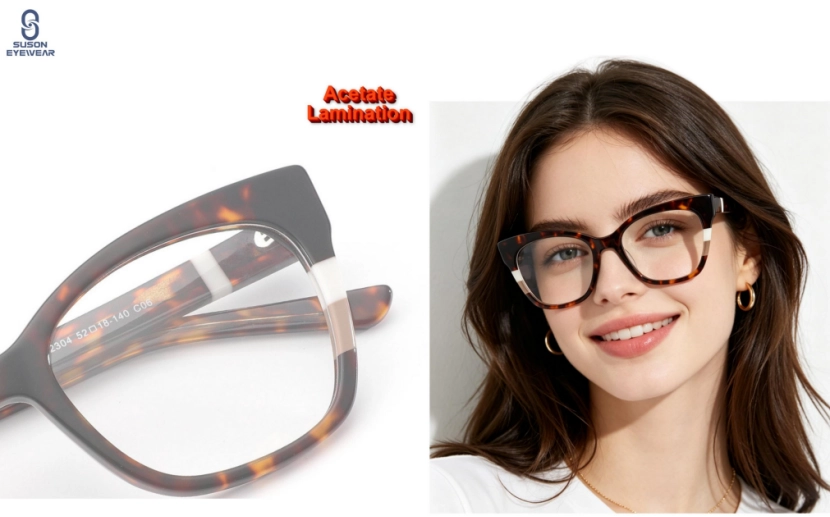
I componenti per telai si stanno orientando verso opzioni rinnovabili e riutilizzabili. I produttori utilizzano pasta di legno certificata FSC e biomateriali a base di cotone naturale per realizzare nuove alternative in acetato. Questi materiali si comportano come le normali plastiche, ma si decompongono naturalmente nel tempo. Offrono una buona resistenza e si piegano facilmente, il tutto senza dipendere dal petrolio.
L'utilizzo di plastica riciclata dagli oceani rappresenta un importante passo avanti. Questo processo trasforma vecchie reti da pesca e rifiuti marini in robuste montature per occhiali. Ogni paio mostra veri rifiuti recuperati dal mare. È un chiaro passo verso un modello di produzione circolare. I materiali puliti mantengono la loro resistenza e un aspetto eccellente. Dimostrano che essere ecologici non significa rinunciare al buon design.
telai a base vegetale Durante la produzione, questi componenti rilasciano molta meno anidride carbonica. Le materie prime provengono da fonti pulite anziché da combustibili fossili inquinanti. Questo riduce le emissioni totali di gas per ogni singolo pezzo. Quando si usurano, questi componenti si decompongono più rapidamente in grandi impianti di compostaggio. Possono anche essere riutilizzati per produrre nuovi componenti, prolungandone così la durata utile all'interno di un ciclo chiuso.
Per un produttore, la necessità di ridurre l'utilizzo di plastica derivata dal petrolio rappresenta un grande vantaggio. Protegge dalle forti oscillazioni dei prezzi sul mercato petrolifero. Spesso, quando si parla di iniziative ecocompatibili, si trascura questo importante beneficio per l'azienda.

Il rispetto per l'ambiente va ben oltre i materiali. Si manifesta all'interno delle macchine, delle attività quotidiane e dei sistemi di monitoraggio presenti nello stabilimento.
Oggi, le moderne fabbriche di occhiali sono dotate di macchine per lo stampaggio a iniezione a basso consumo energetico. Queste macchine assorbono meno energia durante ogni ciclo di produzione, mantenendo al contempo un'elevata qualità di stampaggio. Le macchine intelligenti, inoltre, velocizzano le fasi di lavorazione. I robot eseguono le stesse operazioni ripetutamente con grande precisione, riducendo gli sprechi di energia dovuti ai tempi di attesa delle macchine.
Gli strumenti di monitoraggio costante tengono sotto controllo il consumo energetico in tempo reale. Questo permette ai team tecnici di individuare immediatamente i punti deboli e di correggere le impostazioni prima che si accumulino sprechi dannosi. Il risultato finale è una qualità del prodotto costante e un minore impatto ambientale per ogni lotto di produzione.
La produzione del vetro spesso richiede paste lucidanti e coloranti. Questi liquidi, se non rimossi, possono contaminare l'acqua locale. Oggi, filtri ad alta tecnologia purificano quest'acqua sporca prima che gli operatori la riutilizzino o la reimmettano in sicurezza nella rete idrica cittadina.
I metodi di smistamento a ciclo chiuso consentono di recuperare i frammenti di plastica di scarto. Questi pezzi provengono da fasi di taglio o da errori di stampaggio. Gli operai li macinano fino a ridurli in minuscole perle per creare nuovi componenti. Questo metodo riduce la necessità di utilizzare materiali completamente nuovi e aiuta l'impianto a rispettare le rigide normative ambientali globali.
Spesso i materiali di imballaggio sono nascosti alla vista. Eppure, rappresentano un'enorme fonte di rifiuti dopo l'acquisto di articoli di moda.
Utilizziamo scatole di carta riciclata stampate con inchiostro di soia. Queste sostituiscono i cartoni lucidi, difficili da smaltire in seguito. Lenti biodegradabili I panni sostituiscono le tradizionali salviette in microfibra. Queste ultime, infatti, sono realizzate con fibre sintetiche derivanti dall'uso intensivo di oli.
Eliminiamo gli imballaggi di plastica superflui dalle nostre scatole di spedizione. Questo riduce le dimensioni complessive del pacco. Scatole più piccole riducono le emissioni di fumi durante il trasporto. Queste piccole scelte di design, sommate insieme, fanno un'enorme differenza su migliaia di pacchi spediti ogni anno.
Essere ecologici non significa solo contare le emissioni di carbonio. Significa anche riconoscere il duro lavoro delle persone che si celano dietro a quei risultati.
Gli stabilimenti che si impegnano in un approvvigionamento equo garantiscono una retribuzione equa. Offrono luoghi di lavoro sicuri e rispettano i diritti dei lavoratori a tutti i livelli della loro rete. I controlli periodici sui fornitori confermano che tutti rispettino le norme interne in materia di sostenibilità ambientale. Inoltre, si assicurano che lo stabilimento mantenga valide le proprie certificazioni esterne.
La condivisione trasparente dei dati crea una solida fiducia. Lo facciamo attraverso report ambientali annuali o piattaforme online per la raccolta dati. I partner globali richiedono questa chiarezza prima di accettare di collaborare. Fare la cosa giusta rafforza la reputazione di un marchio. Ha la stessa importanza di una tecnologia innovativa.
Il passaggio a una produzione di vetro ecocompatibile è, in sostanza, un lavoro di squadra.
I potenziali partner possono visitare il nostro stabilimento certificato "verde". Forniamo una documentazione dettagliata che illustra i dati relativi al consumo energetico. È inoltre possibile visionare la documentazione sui materiali e foto chiare del processo produttivo. Saremo lieti di condividere questi materiali su richiesta.
Il nostro White Paper sulla Produzione Verde illustra dati concreti. Mostra l'esatta riduzione delle emissioni di carbonio per ogni linea di assemblaggio. Descrive inoltre in dettaglio i tassi di risparmio di materiale che abbiamo raggiunto utilizzando sistemi a ciclo chiuso.
Lavorare con un comprovato produttore di occhiali ecocompatibili Aiuta i marchi a ridurre il proprio impatto ambientale in termini di emissioni di carbonio. Inoltre, risponde alle aspettative degli acquirenti nei confronti dei beni di lusso etici. Questo è fondamentale nel difficile mercato del 2026.
D1: Cosa rende un produttore di occhiali veramente ecologico?
Un'azienda manifatturiera ecocompatibile integra materiali puliti e strumenti a risparmio energetico nel suo lavoro quotidiano. La fabbrica utilizza efficienti sistemi di smistamento dei rifiuti e si avvale di una forza lavoro onesta. Considera queste attività come compiti fondamentali, non come semplici attività collaterali.
D2: Le montature a base biologica sono resistenti quanto quelle in plastica?
Sì, lo sono. Gli attuali bioacetati derivano da fibre di legno o cotone. Hanno la stessa resistenza delle plastiche tradizionali. Inoltre, offrono risultati migliori in termini di sostenibilità ambientale perché si decompongono naturalmente.
D3: In che modo gli imballaggi sostenibili influiscono sui costi di spedizione?
L'utilizzo di imballaggi leggeri e riciclati riduce il peso e le dimensioni complessive di ogni pacco spedito. Nel tempo, questo cambiamento contribuisce a diminuire gradualmente le emissioni di gas serra durante il trasporto e a ridurre i costi di spedizione.
D4: Perché i marchi dovrebbero interessarsi agli audit di sostenibilità dei fornitori?
Questi controlli dimostrano che una fabbrica rispetta le leggi sul lavoro e le normative ambientali internazionali. Questi aspetti hanno un impatto significativo sull'immagine pubblica di un marchio. Oggi, gli acquirenti di tutto il mondo apprezzano molto le reti di fornitura tracciabili.