
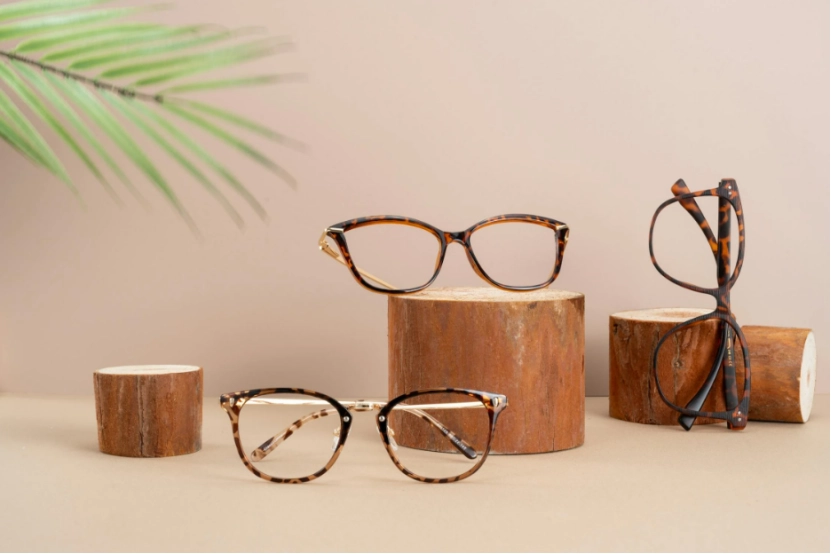
Encontrar el proveedor de gafas adecuado en China puede hacer o romper el éxito de su marca. Las mejores fábricas combinan tecnología avanzada, estricto control de calidad y servicio confiable. La clave es equilibrar la rentabilidad con el potencial de asociación a largo plazo, y las empresas como Suson son un ejemplo perfecto de lo que se necesita para satisfacer sus necesidades.
China actúa como el primer lugar para la fabricación de gafas. Recibe ayuda de grupos sólidos en Wenzhou, Taizhou, Danyang, Shenzhen y Xiamen. Nuevos lugares como Chongqing y Yingtan están creciendo rápidamente con buenas habilidades. Estos lugares juntos hacen gafas de sol, marcos ópticos, gafas de bloqueo de luz azul, gafas de seguridad, gafas deportivas, gafas de lectura y otros artículos.
Las fábricas como Suson Eyewear continúan proporcionando a los clientes productos rentables que ejemplifican esta diversidad al cubrir múltiples categorías bajo un solo techo.
Hay algunas razones por las que las marcas mundiales siguen comprando de proveedores chinos:
Desde las ideas y la fabricación hasta las cajas y el envío, ofrecemos ayuda en todo el camino. Trabajamos duro para ahorrar tiempo y dinero a los compradores.
Antes de comprometerse con un contrato de proveedor, es crucial evaluar tanto la capacidad técnica como la fiabilidad del servicio. Una evaluación estructurada garantiza una calidad consistente en todos los pedidos.
Una fábrica capaz debe demostrar una fuerte R & amp; Capacidad D, maquinaria eficiente y líneas de producción escalables. Por ejemplo:
| Capacidad | Suson |
| Capacidad de producción | 600000 Capacidad de producción mensual |
| I+amp; D Salida | 1000 nuevos productos R& D cada año |
| Gama de materiales | Acetato, TR90, metal, titanio |
| Expertiza del equipo | 10 años de equipo de diseño |
Un proveedor con su propio taller de moldes o equipo de diseño interno puede responder más rápidamente a proyectos personalizados.
El control de calidad determina cuán bien funcionan los productos en los mercados minoristas. Los fabricantes confiables aplican estándares internacionales como la certificación ISO12321-1 o CE / FDA. Insistimos en desarrollar un sistema de calidad que nos permita obtener la mayoría de las certificaciones internacionales.
Los procedimientos de inspección deben incluir:
La evaluación de las muestras para la durabilidad y la consistencia del color ayuda a verificar si la fábrica cumple con las expectativas de su marca.
La eficiencia de la comunicación a menudo separa a los buenos proveedores de los grandes. Tenemos un equipo de ventas especializado que habla en muchos idiomas. No hay bloqueo de conversación y el chat es fácil. La ayuda posventa, como el manejo de arreglos o las reglas de intercambio, muestra la promesa del proveedor más allá de la entrega.

La personalización define la marca moderna de gafas. Si necesita etiquetado privado o nuevo diseños de marco, la comprensión de los modelos OEM versus ODM es esencial.
OEM (Original Equipment Manufacturing) le permite agregar su logotipo a los estilos existentes, ideal para las empresas nuevas que prueban los mercados rápidamente. ODM (Original Design Manufacturing) implica la creación de nuevos diseños desde cero utilizando la fábrica R & amp; Equipos D. Si solo considera añadir su logotipo en nuestras gafas, tenemos 1000 estilos para elegir. Ambos modelos ayudan a diferenciar su marca mientras aprovechan sistemas de producción probados.
Para garantizar una colaboración sin problemas:
Los tiempos de entrega típicos varían de 30 a 60 días dependiendo de la complejidad. El equipo de ventas profesional siempre proporcionará servicio de respuesta en línea 24/7/365.
Trabajar internacionalmente introduce ciertos riesgos que pueden mitigarse mediante la debida diligencia.
Los problemas habituales cubren la calidad desigual de las muestras a los grandes pedidos. O envíos tardíos por demasiado trabajo o planes de precios confusos vinculados a cambios en los precios de los artículos crudos.
Los pasos prácticos incluyen:
El 15% de los trabajadores hacen el trabajo de control de calidad para garantizar una buena calidad.
Los lazos firmes dependen de la confianza que crece con el tiempo. No sólo un acuerdo. Las rutas de conversación claras cortan confusiones sobre horarios o detalles de artículos. Las conversaciones regulares en línea o los viajes en persona ayudan a mantener las cosas en línea entre los deseos del comprador y las cosas que hacen la fábrica. Los ciclos de retroalimentación consistentes fomentan la mejora continua, mientras que las condiciones de pago justas protegen los intereses de ambas partes.
Elegir un proveedor no se trata solo del precio, se trata de alineación estratégica con la dirección de su marca.
Si tu principal es de gama alta marcos de acetato o óptica de titanio, elija fábricas buenas en esos artículos. Piensa también en el crecimiento: ¿pueden manejar las temporadas ocupadas sin perder calidad?
Colaborar estrechamente en el pronóstico de tendencias o la adopción de nuevos materiales. La recopilación y el análisis de las tendencias del mercado ofrecidos por fabricantes experimentados ayuda a las marcas a mantenerse por delante de las cambiantes demandas de los consumidores a nivel mundial.
Una vez que haya seleccionado a los socios potenciales, la preparación garantiza una incorporación más suave.
Incluya detalles como el rango de cantidades, las referencias de estilo, los materiales requeridos, las preferencias de embalaje (neutral o personalizado), las necesidades de certificación (CE / FDA) y los mercados objetivo.
Las consultas exhaustivas permiten una entrega de cotizaciones más rápida porque las fábricas no necesitan rondas de aclaración repetidas.
Se esperan tres fases principales: investigación → aprobación de muestras → producción en masa. A lo largo de las etapas de fabricación debe haber actualizaciones regulares a través de correo electrónico o reuniones en línea para que los ajustes ocurran temprano si es necesario. Las inspecciones de producción por etapas que garantizan la calidad aseguran una producción consistente hasta el envío final.
La asociación con productores experimentados ofrece ventajas mensurables:
Solicite su número de licencia comercial y compruebe a través de bases de datos del gobierno chino o informes de auditoría de terceros.
La mayoría de las fábricas aceptan MOQs bajos que comienzan alrededor de 300-500 piezas por estilo dependiendo de los materiales utilizados.
Normalmente 10-20 días después de confirmar los dibujos de diseño; Los moldes complejos pueden tomar más tiempo.
Sí, muchos proveedores ofrecen personalización completa de empaques, incluyendo cajas, estuches, paños y etiquetas alineados con su identidad de marca.
Busque CE (Europa), FDA (EE.UU.), ISO12321-1 (internacional), ANSI Z80 serie (estándares de EE.UU.), garantizando el cumplimiento en los principales mercados.