
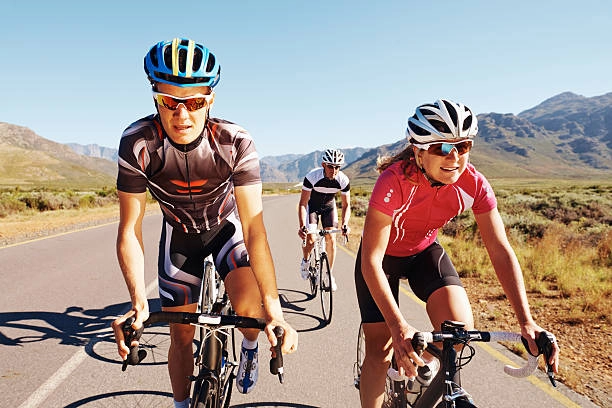
El ciclismo es más que un deporte o un desplazamiento, es una experiencia que requiere atención, seguridad y facilidad. Una pregunta que muchos ciclistas se preguntan es si realmente necesitan gafas de sol especiales para el ciclismo. La respuesta: sí. Propio gafas de sol de ciclismo no sólo se trata de mirar agudo; son clave para proteger tus ojos de los rayos UV, los trozos de basura y la luz brillante, al tiempo que aumentan la visión clara en el cambio climático.
Montar pone sus ojos frente a un montón de problemas al aire libre que las gafas normales simplemente no pueden lidiar.
Cuando andas en bicicleta sin las gafas adecuadas, tus ojos se enfrentan a varios peligros. En primer lugar, la exposición a los rayos UV puede dañar lentamente la córnea y la retina. Los largos tramos al sol aumentan la posibilidad de cataratas y otros problemas de visión. En silencio dañan su salud ocular a medida que pasa el tiempo. Pequeños trozos de suciedad o insectos pueden golpear sus ojos rápidamente. Esto conduce a dolor o incluso raspaduras en la córnea. El viento también seca los ojos.
Por último, el resplandor del sol o puntos brillantes como las calles húmedas reduce las vistas claras y las respuestas rápidas. Sólo un momento de visión borrosa puede desencadenar puntos peligrosos en caminos concurridos o gotas empinadas.
Las gafas de sol de ciclismo se hacen para combatir estos problemas. Ofrecen protección UV. Esto protege tus ojos tanto de los rayos UVA como UVB. A largo plazo, reduce las posibilidades de enfermedades oculares duraderas mucho.
También sirven como un escudo sólido contra el viento, el polvo y los trozos voladores, manteniendo su visión nítida incluso en terrenos difíciles. Para las personas que viajan en luz fuerte o cerca del agua, gafas de sol deportivas polarizadas Trabajar extra bien. ¿Por qué? Reducen el resplandor y agudizan el contraste. Por lo tanto, puede detectar obstáculos rápidamente.
¿Las gafas de sol cotidianas hacen el truco? En realidad no. Hay grandes brechas entre los tonos habituales y los construidos solo para el ciclismo.
Las gafas de sol de ciclismo encajan en el grupo más amplio de gafas deportivas. Estos se elaboran para el movimiento y la fuerza de permanencia.
Al elegir gafas de sol para ciclismo, cero en los rasgos que elevan tanto la salida y la facilidad:
Una idea errónea habitual es que cualquier par de tonos oscuros lo manejará. Regular gafas de sol de moda a menudo se pierde la protección envolvente o las capas anti-niebla necesarias para la acción real. Otro pensamiento equivocado es que un costo más elevado siempre significa calidad superior; La verdadera clave es la tecnología de las lentes y cómo encajan, no solo el nombre de la marca.

Con toneladas de opciones por ahí, desde arranques baratos hasta cosas profesionales de lujo, vale la pena juzgar en función de tus lugares de equitación y estilo.
Varias tierras requieren colores de lentes variados. El clima también cuenta: las capas anti-niebla ayudan en los puntos húmedos, mientras que los abrigos repelentes del agua empujan las gotas de lluvia.
El ajuste significa mucho en las gafas de ciclismo. Las gafas deben abrazarse sin apretar sus templos o deslizarse con sudor. Siempre pruebe con su casco; Algunos marcos chocan con correas o almohadillas si no se alinean correctamente. Pruebalos primero si puedes, o mira las tablas de tamaños en línea. De esta manera, evita la molestia después de comprar.
La tecnología de lentes ha crecido rápidamente en los últimos años. Las configuraciones de lentes intercambiables permiten a los ciclistas cambiar de color en función de los cambios meteorológicos durante todo el día. Tome las lentes amarillas, por ejemplo. Iluminan los paseos tempranos. Los más oscuros protegen contra las explosiones del sol del mediodía. Las lentes fotocrómicas cambian su sombra por sí mismas con resistencia a los rayos UV, una opción sólida si desea un conjunto para muchos puntos.
Las gafas de sol de ciclismo varían mucho en costo, desde las básicas por debajo de $ 50 hasta los pares profesionales de $ 300 que usan los atletas.
| Rango de precios | Características típicas |
| Presupuesto | Lentes básicas UV400, ajuste decente |
| Medio rango | Opciones polarizadas, lentes intercambiables |
| Premio | Revestimientos avanzados, tecnología fotocrómica adaptativa |
Marcas como Suson dar selecciones sólidas en diferentes puntos de precio. Para ajustes OEM / ODM o grandes pedidos adaptados a ciertos mercados, el equipo con un fabricante cualificado garantiza buenos controles y espacio de marca.
Incluso con gafas de primera calidad, mantener la salud ocular requiere hábitos estables más allá de solo ponerse gafas.
Los exámenes oculares normales detectan indicios tempranos de daño UV o sequedad por un largo tiempo al aire libre. Los ciclistas que pasan horas fuera deben reservar visitas anuales con un optometrista, principalmente si tienen ojos aguados o la luz molesta a menudo después de los paseos.
Buen mantenimiento estira la nitidez de la lente:
Para lugares duros como el ciclismo de montaña en senderos fangosos o paseos de invierno en áreas con nieve brillante, artículos adicionales como bordes o gafas de protección dan un mejor sello contra cosas que los marcos envolventes pueden perderse un poco.
Elegir el par correcto de gafas de sol de ciclismo no se trata de estilo, se trata de seguridad de salida y facilidad todo en una herramienta imprescindible. Protegen de los rayos UV, cortan el resplandor, aumentan el enfoque y ayudan a los ciclistas a hacer su mejor sin importar la tierra o el clima.
SUSON brilla como un compañero de equipo confiable aquí, un fabricante profesional enfocado en la elaboración, fabricación y envío de gafas de sol de primera clase. Esto incluye soluciones personalizadas OEM / ODM para clientes de todo el mundo. Con conocimientos especializados tanto en construcciones útiles como en apariencias que se ajusten, SUSON ofrece productos que alcanzan lo que los ciclistas de hoy quieren en fuerza, apariencia y calidad visual.
No siempre; son excelentes para reducir el deslumbramiento, pero pueden distorsionar las pantallas LCD como las computadoras de bicicletas dependiendo del ángulo.
Puedes, pero no proporcionarán estabilidad de cobertura completa o ventilación adecuada para el movimiento activo.
Las lentes fotocrómicas cambian de tono automáticamente con la intensidad de la luz; los polarizados cortan el resplandor horizontal pero permanecen niveles de tinte fijos.
Por lo general cada 2-3 años, dependiendo del desgaste arañazos o la degradación del recubrimiento por la exposición al sudor.
Sí, todavía bloquean los rayos UV mientras mantienen la visibilidad completa durante los paseos nocturnos o días nublados donde las lentes teñidas estarían demasiado oscuras.