
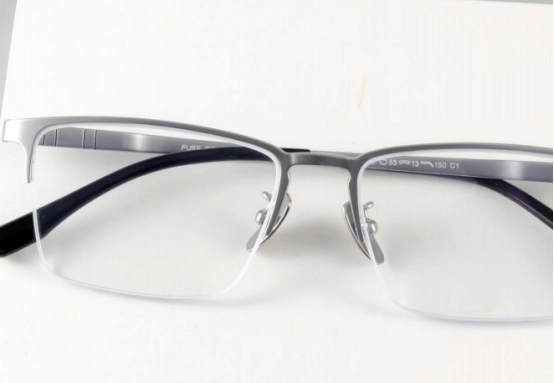
Your acetate sunglasses factory is waiting for approval. You’ve got the sample, the drawing and perhaps three emails about a color change. What would actually make you hold the order? A cracked rim would. So would a lens that moves in its seat. A faint polish mark is a different conversation, and it needs a limit both sides can recognize.
Imagine unpacking a sample on your desk. The front looks good. Then you open the temples and one side catches halfway. That’s the pair worth spending time on.
A sample tells you what was made once. It doesn’t tell you how much variation the next run will contain. When comparing acetate eyewear manufacturers, ask for the same checks on each supplier’s samples. Otherwise, the better photograph may win.
You may have started with a search for “sunglasses factory china.” By the time samples arrive, the question has changed. Can this supplier repeat the pair you approved? Comments without a revision number soon become difficult to trust.
Still putting the sample brief together? Send us your frame requirements, including anything you haven’t settled yet. Let’s get those decisions into the sample discussion.
Put the signed sample on the desk beside the new pieces. You’ll want it within reach, particularly when two shades of brown start looking much the same.
The easiest view to miss is along the top edge, with the frame held at eye level. You might see one rim leaning forward while the other sits back. Is that in the drawing? If it isn’t, photograph the pair before allowing an adjustment. We’d want to know why it arrived twisted, even if someone can straighten it in a minute.
Is that white line polishing residue or a crack? Beside a hinge insert, you can’t afford to guess. Have the area cleaned appropriately, then turn it under the light. A line still there needs investigation. Resist the temptation to flex it until something happens: you’d be adding damage to the very sample you’re trying to judge.

A black dot in a pale frame can be maddening: you wipe it and nothing changes. With translucent acetate, turning the piece helps establish whether the speck is inside the sheet. A trapped bubble raises the same issue. Returning it with “please polish again” written on the bag is unlikely to help. The fault may be below the surface being polished.
Tortoiseshell swirls won’t line up identically on every front. We wouldn’t reject a pair for that alone. A nearly black temple attached to a pale front is harder to accept if the signed sample had a much closer match. Keep physical examples of the acceptable extremes. “Slightly warmer brown” in an email is surprisingly difficult to work from.
Watch a reflected light move across the rim. Dull patches are easy to catch this way; a softened corner takes comparison with the original shape. Better shine isn’t always better finishing.
Say your drawing specifies 4.0 ±0.2 mm at a particular rim section. That gives you 3.8–4.2 mm to work with. Measure 3.6 mm at that point and the sample is outside your agreed limit, however glossy it looks.
Underneath the bridge is a good place to slow down. A burr there touches the wearer, whereas a similar mark on an outer face might be purely cosmetic. We would inspect the temple tips with the same care. Use a cotton swab to locate a suspected snag; there is no reason to scrape a finger across it.
Have a sample with a mark you can’t identify? Send us a close-up and the sample revision. One wider photo helps us find the same spot on the frame.
From the front, a dark lens can hide its seating surprisingly well. Turn the pair over. A corner standing out from its intended seat becomes easier to see. Any rocking during gentle handling belongs in the defect notes. This is one we would return for a fit check, without trying to push the lens out ourselves.
Open both temples slowly. A stiff spot halfway through the movement is more useful information than “hinge feels bad.” Record where it catches. “Just tighten the screw” might be the answer. It might also conceal misaligned parts for the few minutes you spend handling the pair. We would look at the alignment again after adjustment and keep the specified fatigue test on the approval list.
One temple reaches its stop while the other keeps opening. You can see the difference from above, before trying the pair on. The drawing gives you the intended opening angles. Without it, there is a temptation to keep adjusting until the glasses sit flat on a desk. That alone says little about whether the front and both temples match the intended geometry.
A logo can be crisp and still land on the wrong temple. Compare it with the current artwork, including its distance from the agreed reference point. Small lettering makes a doubled print obvious. If the ink comes away on your hand, the next discussion is about adhesion. Another freshly printed sample won’t settle that question without a suitable test.

Number the pieces before starting dimensional and surface checks. A note such as “piece 12, left hinge, catches halfway open” gives the next person something to reproduce.
Suppose a pilot set contains 32 pieces and two have loose lenses. That’s 2 ÷ 32 × 100 = 6.25% of the inspected set. It isn’t a measured defect rate for the future order. We would want an explanation for those two loose lenses before signing. The order still needs its own sampling plan with agreed acceptance numbers; the example doesn’t set them.
Keep the physical reference with the dated drawing. Add defect photos beside their agreed limits. Record any change to the lens or hinge specification.
Tie these decisions to the same pre-production approval record. It’s quite possible to approve the corrected pair and still leave an obsolete drawing in circulation. The approval should carry the new revision number.
The next parcel from your sunglasses manufacturer should include the correction record. Keep the failed pair, if possible. Having both on the desk makes the change much easier to judge.
Send us your sample notes with the drawing revision and planned quantity. Add your target market so we can discuss the next sample with the right requirements in view.
We need the pilot quantity and the number of variants before agreeing a count. Each color and construction variant needs attention. Otherwise, you may only have evidence for the one showroom pair.
We’d put it aside until someone has established what it is. A tiny confirmed crack near the hinge doesn’t become acceptable because it’s hard to photograph. Cleaning residue is another matter.
You can spot uneven seating and movement during gentle handling. That’s enough to raise a fit query, though formal retention testing still matters. UV protection is a different question, answered by test results for the actual lens specification.
Usually, minor means a cosmetic fault. A dangerous edge may be critical because it can hurt someone. Don’t squeeze everything into those two labels: functional failures often need a major category in the agreed defect list.
With a crack or a loose lens still unresolved, our answer is no. A cosmetic exception may be acceptable within a written limit. “Accept this one” gives the workshop very little to repeat.