
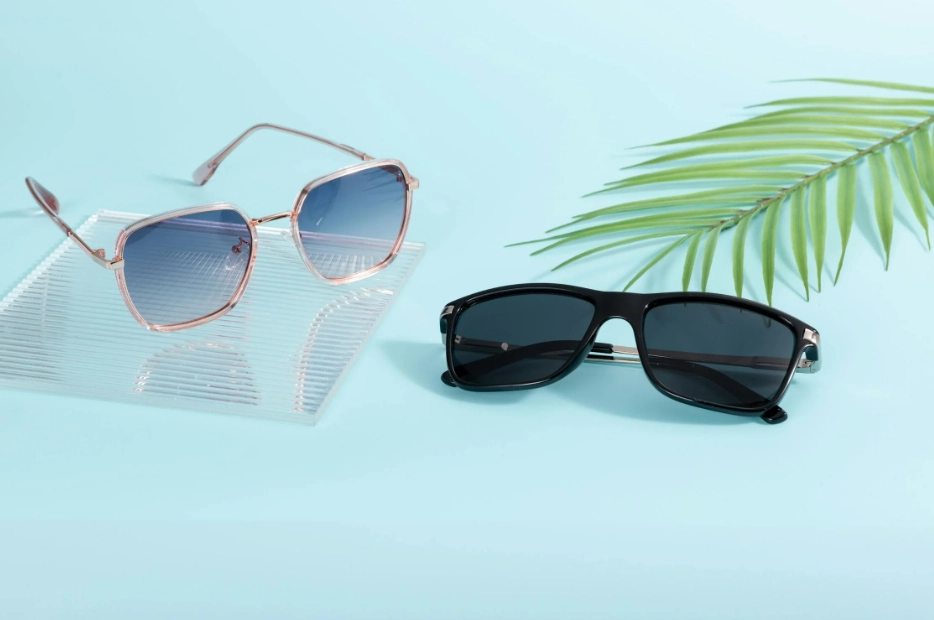
Protecting your eyes goes beyond mere comfort. It deals with real safety and following regulations. You could be picking up polarized UV400 sunglasses for your store. Or maybe you’re putting together your own eyewear collection. Either way, you need to know how UV400 and polarization team up. Solid certifications and test reports confirm that your sunglasses actually shield users from damaging rays and bright glare. They lock in strong performance and rule approvals across the globe.
UV400 protection points to lenses that stop every bit of ultraviolet light up to 400 nanometers. This covers UVA rays from 315 to 400 nm and UVB rays from 280 to 315 nm. Those rays can lead to lasting problems like cataracts or macular degeneration. If sunglasses carry the “UV400” label, they hit global safety marks for full UV blocking.
Such filtering makes sure lenses cut out almost 100% of bad sun rays. It offers solid defense, even in places like tall mountains or beach areas with intense UV levels. Remember, a darker lens doesn’t always mean better UV guard. Only careful tests can back up a genuine UV400 level.
Polarization handles glare in a direct way. Polarized lenses have a unique filter. It cuts out light that bounces horizontally off surfaces like water, snow, or pavement. As a result, it eases eye fatigue, boosts contrast, and sharpens sight in sunny spots outdoors.
Polarization doesn’t stop UV rays by itself. Yet it pairs well with UV400 to increase ease and clear vision during long sun time. Combined, polarized UV400 sunglasses give you eye safety and better seeing power. Think of using them while driving on a glaring road, casting a line at the lake, hitting the slopes, or doing any outside work where glare gets in the way.
Sunglasses have to match certain global standards. This keeps their safety promises real in markets everywhere. Those standards lay out ways manufacturers check lenses for UV blocking and clear optics.
Various areas use their own sets of rules.
| Standard | Region | Focus |
| EN ISO 12312-1 | Europe | Optical & non-optical requirements |
| ANSI Z80.3 | United States | UV & optical performance criteria |
| AS/NZS 1067 | Australia/New Zealand | Ultraviolet filtering levels |
Every standard sets limits on how much UVA and UVB light can pass through. It also covers lens types based on visible light flow and what labels to use. Take EN ISO 12312-1, for instance. It requires sunglasses to let through no more than 0.5% of UVB rays. That limit guarantees complete eye safety under European rules.

Polarized lenses face extra checks on top of regular UV reviews. You see tests for how well they cut glare, how even the light passes, and if colors stay true.
When lenses pass, it means they manage glare effectively. They don’t twist what you see or change natural hues. This plays a big part in keeping your vision sharp for tasks like driving or outdoor jobs that need precise sight, such as spotting details on a construction site.
Tests form the core of checking compliance. Dependable lab info shows if sunglasses live up to their specs before they hit the market.
Labs run key checks to prove real “sunglasses uv400” ability.
You usually find these outcomes in full test reports linked to certification papers.
Tests for polarization target proper setup and reliability. Polarization efficiency checks how well the lens handles reflected glare from horizontal angles, often shown as a percent. Axis alignment looks at the polarizing film’s position, usually within ±3° limits, to get the best glare cut on both lenses. Visual distortion reviews see if light spreads evenly over the whole lens.
Manufacturers typically use automated goniophotometers or digital imaging tools built just for confirming optics.
You get polarized uv400 sunglasses through OEM or ODM routes. Papers act as your evidence of solid compliance.
Get your supplier to hand over checked certifications like these.
These should list product model numbers, batch marks, test ways, and who issued them.
Go further than basic certificates. Ask for backup tech info.
Records like these back up compliance. Plus, they help track down quality snags if issues pop up later in the chain.
Team up with skilled OEM/ODM manufacturers. They make handling compliance easier from design right through making the goods. Expert suppliers tweak lens materials or coatings to fit area-specific standards, like CE marks in Europe or ANSI/FDA fits in the U.S.
Their own labs speed up testing. They do early reviews before sending samples to outside experts. This setup cuts down time and keeps quality checks tight.
If you’re a private-label brand building custom polarized uv400 sunglasses lines, this kind of partnership lets you get creative. At the same time, it holds onto rule strength. We find that balance between fresh designs and reliable compliance key in our work.
Need a dependable sunglasses manufacturer who knows compliance testing inside out? Reach out to SUSON now. We can chat about ways our team supports your next OEM/ODM eyewear job, starting from early models to certified shipments around the world.
Look for certification labels like CE marking or verified lab reports confirming blockage up to 400 nm wavelengths.
They excel at cutting glare but aren’t always needed indoors. Pair them with UV400, though, and you get top outdoor defense.
No—lens tint only handles visible light. Real protection comes from built-in UV filters checked in standard tests.
Review CE/FDA certificates, third-party lab test reports, specification sheets, and factory QC records before you buy.
Yes, if coatings wear from use or bad storage. Quality built-in filters hold up longer than just surface ones.